Posted by Dr. Brickey on 26th April 2009


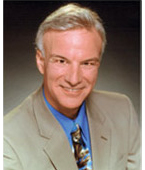
Host: Anti-Aging Psychologist Dr. Michael Brickey
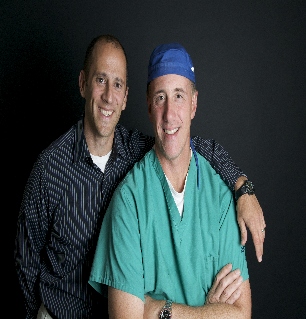
Guests: Preventive Cardiologist Dr. Michael Ozner
Broadcast and podcast starting: April 27, 2009 on webtalkradio.net. After 5-4-09 the podcast is also on the links below
Bypass Surgery and Stents Usually Do More Harm Than Good [59:34m]:
Play NowDownload
(to download, right click download and select “save target as.”)
Three major research studies show that bypass surgery doesn’t prevent heart attacks or death any more than conservative medical treatment. Further, research shows that angioplasties (with or without stents) don’t prevent heart attacks or deaths any more than conservative medical treatment. There is little research to contradict these well designed, peer reviewed studies published in prominent medical journals. Nevertheless, 1.5 million Americans a year have angioplasties or bypass surgery.
Dr. Ozner is very polite and doesn’t go for the jugular. He has his data speak. Cardiac surgery costs at least $60 billion a year and is the star and major profit center of most hospitals. While the medical profession is increasingly emphasizing evidence-based procedures, if it applies evidence-based criteria to cardiac surgery, it will kill the golden goose. It’s amazing that while the data has been around for decades, cardiologists continue to urge angioplasties and by-pass surgeries extensively despite it not having any better results than conservative medical treatment, in most cases. I surprised that Dr. Ozner’s colleagues haven’t tried to tar and feather him for threatening their lucrative careers.
I have been trying to sort out how different experts and organizations are emphasizing different causes of cardiovascular. In rejecting the plumbing analogy for cardiovascular disease, Dr. Ozner’s book describes a process that leads to cardiovascular disease. The process starts with excess LDL cholesterol burrowing into the artery walls, joining triglycerides, oxidizing, and prompting inflammation and its aftermath. An intervention at any stage of this process can help. Thus lowering cholesterol helps, lowering triglycerides helps, anti-oxidants help, balancing Omega 3 and Omega 6 fatty acids helps, as does good nutrition, exercise, and stress management. Unchecked, the ultimate problem becomes inflammation, which is not only key to cardiovascular disease but also most chronic diseases.
For those who resist following detailed regimes, the basic principles of the Mediterranean or his Miami Mediterranean diet are simple: lots of fresh fruits and vegetables, nuts, whole grains, lean protein (especially from small cold water fish), and eschewing processed food. I also note that Dr. Ozner’s emphasis on stress nicely reinforced the show we had with Cardiologist Dr. Joel Okner and cardiac psychologist Dr. Jeremy Clorfene.
Overall I think The Great American Heart Hoax is the most important cardiology book in the last hundred years. Hopefully it will be a wake-up call for having cardiology become more evidence-based and more holistic. Dr. Ozner’s website is www.DrOzner.com. Dr. Brickey’s other websites are www.DrBrickey.com and www.Anti-Aging-Speaker.com.
Posted in cardio, cardiology, diets, heart, heart disease | No Comments »
Posted by Dr. Brickey on 15th March 2009


Host: Anti-Aging Psychologist Dr. Michael Brickey
Guests: Cardiologist Dr. Joel Okner and Cardiac Psychologist Jeremy Clorfene
Broadcast and podcast starting: March 16, 2009 on webtalkradio.net. After 3-23-09 the podcast is also on the links below
What You Need To Know About Heart Disease [56:24m]:
Play NowDownload
(to download, right click download and select “save target as.”)
If you or someone you love has a heart attack, the cardiologist probably gives you a brief technical assessment. Anxiety levels are so high you only hear a small fraction of what the doctor says, and remember even less. Typically, there is no discussion about the psychological factors and dealing with the stress, changes, and how different your life has become. Cardiologist Dr. Joel Okner and Cardiac Psychologist Dr. Jeremy Clorfene stepped in to fill the gap with their just released book, The No Bull Book On Heart Disease: Real Answers To Winning Back Your Heart and Health.
It is easy to miss how unique their message is. First, they put cardiology in language that lay people can understand and use. In their book, in particular, they take you step-by-step through exactly what happens physically and emotionally with various diagnoses, tests, and surgeries. That kind of information is surprisingly hard to find.
The even more profound thing they do is address how heart disease impacts patients and families emotionally. Managed care initially offered great promise. Kiser Permanente in particular, was very good at offering supportive and preventive services to help subscribers avoid even bigger problems down the road. Thus, managed care done right would encourage every heart disease patient to see a cardiac psychologist. But most of managed care deteriorated to cost containment. Consequently, we are left with a perfect storm that largely ignores cardiac psychological needs. Pharmaceutical companies advertise pills as the solution. Patients want pills and quick fixes, and compensation for doctors encourages 5-minute-medicine. Even the rehab programs medicalized rehab and made it mostly about diet, exercise, and physical therapy.
The Okner and Clorofene message is that pills may be necessary but without addressing stress, lifestyle, exercise, and nutrition, a heart attack or stroke is just around the corner.
My suggestion for finding a psychologist who is particularly familiar with heart disease and other health problems is to contact a hospital’s Medical Staff office and ask for a list of psychologists who are on the medical staff or affiliate staff. Then compare that list to psychologists covered by your insurance.
Dr. Okner and Dr. Clorfene practice in Chicago and host a weekly two-hour Radio call in show, “The Doctors Are In” on WKRS 1220 AM. Information on their book is at www.nobulldocs.com. Dr. Brickey’s other websites are www.DrBrickey.com and www.Anti-Aging-Speaker.com.
Posted in cardiology, health, health and wellness, heart, heart disease | No Comments »
Posted by Dr. Brickey on 6th July 2008


Host: Anti-Aging Psychologist Dr. Michael Brickey
Expert Guest: Dr. Alan Zelicoff
Broadcast and podcast: 7-7-08 on webtalkradio.net after 7-14-08 podcast availabe on the links below
Common Harmful Medical Practices and Treatments [58:40m]:
Play NowDownload
(to download, right click download and select “save target as.”)
Many of the most commonly performed medical procedures are ill advised and can do more harm than good. We go to our physicians and expect surgery of pills for our ills. Our physicians feel pressured to try to fulfill our expectations. Financial incentives provide little compensation for patient education but often richly reward performing procedures. Patients and physicians often don’t fully appreciate the statistics behind using evidence based medicine for choosing the best course of treatment. Or guest today is physician and physicist Dr. Alan Zelicoff, author of the brand new book, More Harm Than Good. If you or any family members are at risk for cardiovascular disease, cancer, diabetes, back pain or arthritis, you’ll want to be sure to listen and learn about how to avoid overtreatment and get the most effective treatment.
His website is www.Zelicoff.com
Posted in anti-aging, cardiology, diabetes, evidence based medicine, health, health and wellness, healthcare | No Comments »
Posted by Dr. Brickey on 12th April 2008
Broadcast: 4-8-08 on webtalkradio.net After 4-15-08 available on the links below
Renegade Top Cardiologist Tells How to get Good Healthcare [43:42m]:
Play NowDownload
(to download, rightclick and select save target as…)
We expect our doctors to always put our interests first. In his interview with Ageless Lifestyles Radio host Dr. Michael Brickey, distinguished cardiologist Dr. Richard Schneider, says because the healthcare system rewards quantity rather than quality of care many doctors follow the money by ordering unnecessary tests and surgeries and cutting corners. Further, a good old boys atmosphere often discourages doctors from examining their mistakes. Dr. Schneider’s book, The Cost of Courage, describes how he successfully practiced compassionate, ethical medicine and was often punished for doing it.
In the first part of the program he will offer advice on how you can make sure you are getting appropriate, effective services from your cardiologist and other physicians. In the second part of the show he will share his surprising doable solutions for fixing our healthcare system and saving 30% of our nation’s healthcare costs. His website is www.RichardRSchneider.com.
Posted in aging, anti-aging, cardiology, health, health and wellness, healthcare, heart | No Comments »