Ageless Lifestyles® LLC

Ageless Lifestyles® LLC Anti-Aging Psychologist Dr. Michael Brickey interviews leading anti-aging experts on how to live longer, heatlhier, and happier.


Q: Dr. Brickey what supplements do you take?

A: Frankly, I take quite a few because I am at high risk for arteriosclerosis. I think in terms of three types of supplements:

    1. A GOOD MULTIVITAMIN
         In a perfect world, we would get all the vitamin, minerals, and antioxidants from the food we eat. But with less than optimal eating habits, soil depletion, and restaurant foods, most of us can’t count on our eating habits or foods to provide all the vitamins, minerals, and antioxidants we need.

Generic and popular brands of multivitamins provide the basic vitamins and minerals. A multiple vitamin is far less expensive than taking vitamins and minerals individually. It also insures that vitamins and minerals are in healthy proportions to each other. (Too much of one vitamin or mineral can inhibit the use of certain other vitamins or minerals.)


      Besides cost, the differences between a generic or common brand name multivitamins and premium multiple vitamins are that the premium brands are more likely to:


  • use higher dosages

  • use the most effective variations of vitamins and amino acids
    Example: Vitamin E has eight chemical variations with four tocopherols and four tocotrienols. Many multivitamins use less expensive variations of E rather than the more effective bioidentical d˗alpha variation with d˗gamma tocopherols.

  • use multiple versions of a vitamin.
    Example: Vitamin D has two physiologically relevant forms D2 and D3. While D3 is believed to be metabolized more effectively, the vitamin is poorly understood and D2 may have a unique contribution to our health. Thus, some multiple vitamins include both.

  •  include trace minerals and antioxidants (e.g., extracts from vegetables, fruits, and berries).

    Thus, I take a very good comprehensive multiple vitamin with trace minerals and antioxidants. If you are willing to invest in the extra insurance of a premium multivitamin, there are several highly regarded premium multivitamins. My preference is SeaHealth|Plus, which has 17 fruit and vegetable extracts and 72 trace minerals.


    2. PARTICULAR HEALTH ISSUES


    If you have particular health risks, you may want to consider supplements that help with that issue. For example, if you have frequent urinary tract infections you may want to drink cranberry juice or spare the calories and take cranberry juice extracts (if you aren’t taking SeaHealth|Plus which has cranberry extract anyway). If you recently took an antibiotic, you might want to eat some yogurt that is rich in probiotics or take a probiotic supplement such as acidophilus.


    Being a male I take saw palmetto to reduce my risk or prostate cancer. Since I am high risk for cardiovascular problems, I take supplements as well to enhance cardiovascular health. I get several blood tests a year and use the results to help make adjustments in which supplements I use and the doses. 


    3. FISH OIL
     
       Cardiologists have been behind the times on this but now even the American Heart Association recommends:

Fish intake has been associated with decreased risk of heart disease. On the basis of available data, the American Heart Association recommends that patients without documented heart disease eat a variety of fish – preferably omega-3-containing fish – at least twice a week. Examples of these types of fish include salmon, herring and trout. Patients with documented heart disease are advised to consume about 1 gram of EPA + DHA (types of omega-3 fatty acids), preferably from fish, although EPA+DHA supplements could be considered, but consult with a physician first. For people with high triglycerides (blood fats), 2 to 4 grams of EPA + DHA per day, in the form of capsules and under a physician’s care, are recommended.


    A shift in Americans’ diet to more processed foods, corn oil, and soybean oil greatly increased omega-6 fatty acids in our diets. Further, these days few parents give their children cod liver oil (which is high in omega-3 fatty acids). Consequently, the ratio of omega-3 to omega-6 fatty acids has gone from a healthy 1:2 to 1:20. Having too much omega-6 fatty acids relative to omega-3s results in inflammation. There is an increasing consensus among researchers that inflammation is the common denominator of most chronic diseases including cardiovascular disease and diabetes.


    You could correct the imbalance by eating lots of fish such as tuna, salmon, and sardines, but that would expose you to a lot of PCBs, mercury, and other toxins in the fish. Unless highly refined, cod liver oil has the same problem. The easiest way to increase omega-3s is to take fish oil supplements.


    While an aspirin is an aspirin and vitamin C is vitamin C whether it is generic or a brand name, with fish oil it is extremely important to remove the PCBs, mercury, and other toxins the fish have consumed. This requires an expensive distilling and refining process. The person who has done the most research on fish oil and is extraordinarily thorough in removing the toxins is Dr. Barry Sears. You may choose to take chances on the quality of other vitamins but don’t compromise on quality of the fish oil you consume.


    Dr. Barry Sears is the creator of the Zone Diet, which balances healthy carbohydrates, fats, and proteins in Mediterranean style diet. In his latest best seller, Toxic Fat, Dr. Sears describes how inflammation is a major underlying cause of chronic diseases including cancer, cardiovascular disease, diabetes, and arthritis.

     Benefits of fish oil:


Side effects: While thinning the blood is usually desirable (the reason daily low dose aspirin is recommended), thinner blood slightly increases the risk of bruising or bleeding, nosebleeds, or stroke from hemorrhaging. It tends to have a cumulative effect with aspirin, Plavix, or Coumadin.


  • Other health benefits   Research indicates that fish oil also:
    • helps with weight loss
    • helps reduce arthritis, diabetes, and other autoimmune diseases
    • enhances brain functioning and the brain’s gray matter volume
    • reduces macular degeneration (an eye disease)
    • may help with Alzheimer’s, depression, bipolar disorder, and schizophrenia
    • fosters healthy skin, hair, and nails


    With most supplements, the risk from using a generic brand is low—just that they may have cut corners to keep the prices low and dosages may be unreliable. With fish oil, however, the risks are high. Inexpensive fish oil is likely to contain lead, mercury, and PCBs.


      Dr. Barry Sears has focused his career on fish oil. His Omega|Rx fish oil is the gold standard. It goes through two refining processes to make sure it is the purest anywhere—and I believe it is the only fish oil that has every single batch tested. Consequently, it is the best there is and the safest there is. Cut corners if you must on other supplements, but do not cut corners on fish oil.


    I’m delighted to be able to offer you a 10% discount on your first purchase of Omega|Rx, SeaHealth|Plus, and other Zone health, weight loss products, and books.


    Just click here and use the promotional code AGELESS at checkout. There is a lot the zonediet.com website. My recommendation is to select Omega|Rx fish oil and SeaHealth Plus. I also highly recommend a copy of Dr. Sears’ latest best seller, Toxic Fat, in which he shares his latest research on inflammation, metabolism, cardiovascular diseases, diabetes, and what it really takes to lose weight.


CLICK HERE and use the promotional code AGELESS at checkout OR call 1-800-404-8171 and use the promotional code, AGELESS.


If you can just afford two supplements, Omega|Rx and SeaHealth|Plus should be the ones.


OmegaRx SeaHealth Plus

Toxic Fat by Barry Sears: Download Cover

  • Meta

    • Categories

  • Books & CDs


    • 52 Baby Steps to
      Grow Young

    • Featured on
      Oprah and CNN

    • Anti-Aging Hypnosis CDs
  • Anti-Aging Positive Psychology

    Holistic Health Wellness

    At the Ageless Lifestyles Institute, Dr. Michael Brickey and associates help people grow young and live with purpose. The Institute provides research, motivational seminars, speaker services, publishing, and life coaching for holistic health and wellness, & anti-aging psychology.

    "Change can be quick, easy, and painless when you know how to engineer it," says Dr. Brickey. To learn the psychology of a youthful mindset at every age men click here / women click here.

    Want anti-aging research on holistic health, positive psychology and wellness? We have anti-aging articles, newsletters, press releases, and news and news and media interview information.

  • Archive for the 'diets' Category

    Nutrition, Brains, Appetite and Weight Loss
    Posted by Dr. Brickey on 16th May 2011

    Anti-Aging Psychologist, Dr. Michael Brickey

    Dr. Larry McCleary

    Host: Anti-Aging Psychologist Dr. Michael Brickey

    Guest: Dr. Larry McCleary

    Broadcast and podcast on webtalkradio.net. The podcast is also on the links below
    (to download, right click download and select “save target as.”)

    Nutritional advice is a tower of Babble. There are many theories that have little research to support them. The US government’s Food Pyramid and recommendations reflect more of a political process than a scientific process. The marketplace is full of hype for products and services. The answers on what really fosters wellness and longevity will ultimately come from scientific research. The strength of Dr. McCleary’s advice is that it is based in research and clinical experience.

    To the extent that there is any consensus among anti-aging researchers and holistic medicine practitioners, it would be a Mediterranean diet, with fresh fruits and vegetables, whole grains, olive oil, fish and lean meats (or vegetarian protein substitutes). Dr. McCleary generally agrees with the Mediterranean diet but would minimize grains and starches, go easy on fruit juices and fruits that have high glycemic indexes, and prefer coconut oil to olive oil. Dr. McCleary developed his recommendations from a perspective of what optimizes brain functioning, what helps energy levels, and what helps with weight loss.

    The closest researcher that I am aware of is Barry Sears, Ph.D., a chemist who has spent more than thirty years researching hormones, diabetes, and weight loss. Sears and McCleary agree on the importance of fish oil and that insulin is the key to weight loss. Sears advocates 30% fats, 30% protein, and 40% healthy carbohydrates. Thus, he advocates far less fat than McCleary. He believes his Zone diet can keep insulin levels stable and hormone levels in a healthy balance.

    Sears believes a ketogenic diet does reduce blood insulin resistance but increases insulin resistance in the liver and increases cortisol production. Cortisol causes inflammation which Sears sees as the common denominator of most chronic diseases including diabetes and cardiovascular disease. You will recall that McCleary’s interest in ketogenic diets came from using a ketogenic diet with children who had seizures.

    Sears characterizes the Atkins diet as rich in (long chain) saturated fats and Omega 6 fatty acids. McCleary tends to favor healthier fats than the typical Atkins diet. Sears sees two destructive mechanisms of an Atkins diet. First, that its (long chain) saturated fats and Omega 6 fatty acids foster inflammation. Second, that when the brain doesn’t get its glucose, the cortisol it produces breaks down muscle tissue to help produce glucose.

    Sears says that people lose weight on an Atkins diet for about six months and then gain the weight back and more because of damage from cortisol production, inflammation, and hormonal changes. You can hear my podcast with Dr. Sears in the Ageless Lifestyles archives.

    McCleary suggests that while the brain’s main food is glucose, it also thrives on ketones. The question is whether the glucose and ketones in McCleary’s diet would produce enough brain fuel to not prompt cortisol production and the damage cortisol can produce.

    Keep in mind that high fat diets and their increased ketone production can be hard on kidneys and need more water to excrete excess ketones. Also, be alert for any signs of hypoglycemia (low blood sugar).

    Among anti-aging researchers there seems to be some shift away from high carbohydrate diets. While the jury is still out, carefully observe how your body responds to what you eat, get periodic blood tests, and be careful.

    Dr. McCleary’s website is www.DrMcCleary.com. Brickey’s other websites are www.DrBrickey.com and www.Anti-Aging-Speaker.com.

    Posted in brain research, diets, eating, nutrition | No Comments »

    What More Than 100 Years of Dieting Can Teach Us

    Posted by Dr. Brickey on 25th November 2010

    Anti-Aging Psychologist, Dr. Michael Brickey

    Suan Yager

    Host: Anti-Aging Psychologist Dr. Michael Brickey

    Guest: Susan Yager

    Broadcast and podcast on webtalkradio.net. The podcast is also on the links below

    (to download, right click download and select “save target as.”)

    The story of Peter Pan concluded, “All of this has happened before and will all happen again.” Barrie could have applied the same intro to the more than 100 years of diet insanity in America. Previous diet ideas keep resurfacing like moles in an arcade Whack-a-Mole.

    Knowing the history and context of this insanity gives perspective and helps us be wiser in making sense of diet and weight loss advice. Susan Yager chronicled the madness with balance, humor and perspective in her delightful book, The Hundred Year Diet.

    As the Simon and Garfunkel sang, “Still crazy after all these years.” The 100 Year Diet helps us see the forest instead of just the tress. The key points from more than 100 years of diet insanity are:

    1. We have a long history of diet gurus, some of whom are legitimate, but many of whom have dubious credentials, seize a pressing social fear, find a small poorly designed, unreplicated study and tout it as proof of the efficacy of their diet, and propagate unhealthy eating and possibly a best seller.

    2. In the 1980s, the American food supply radically changed with an increased emphasis on corn, soy beans, wheat, and corn syrup, not to mention trans fats and junk food.

    3. The key to healthy eating and to weight loss is choosing quality foods, being mindful or respectful of what we eat, and leisurely dining rather than grabbing a bite.

    4. For those who don’t choose a diet like Dean Ornish’s or Robert Pritkin’s, a Mediterranean style diet is one of the better choices.

    The book, The 100 Year Diet, is fascinating, very readable, gets you thinking, and give you perspective. The book’s website is www.TheHundredYearDiet.com. Dr. Brickey’s other websites are www.DrBrickey.com and www.Anti-Aging-Speaker.com.

    Posted in dieting, diets, nutrition | No Comments »

    Alternative Health Approaches to Better Health

    Posted by Dr. Brickey on 12th June 2009

    Anti-Aging Psychologist, Dr. Michael Brickey

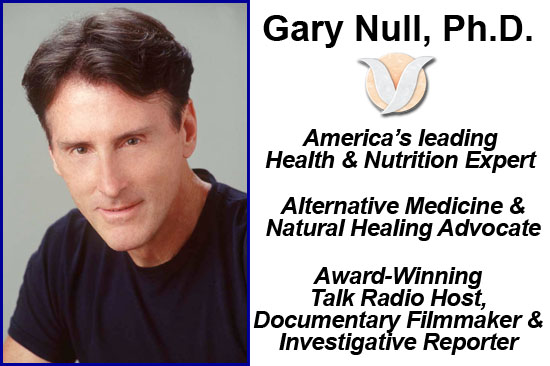
    Dr. Gary Null

    Host: Anti-Aging Psychologist Dr. Michael Brickey

    Guest: Natural Health Nutritionist Dr. Gary Null

    Broadcast and podcast starting: June 8, 2009 on webtalkradio.net. After 6-15-09 the podcast is also on the links below
    (to download, right click download and select “save target as.”)

    There is a rich literature on natural cures for headaches, digestive problems, allergies, and other health problems. But how do you tell help from hype? Is it safe and does it work? Natural Health Nutritionist Dr. Gary Null is the author of 70 books on health including his most recent book, Be a Healthy Woman, has been studying and advising millions on alternative health and natural healing for three decades. Today he shares his knowledge with us.

    Dr. Null has never shared his real secret to health and longevity. With more than 70 books, more than 20 films, competing in marathons, counseling thousands, and bridging  nutrition, self-development, politics, and even pet care. I’m convinced that he has figured out how to clone himself. Dr. Null’s is a renaissance man who has an extraordinarily holistic view of health and wellness including physical, mental, and spiritual. He is into mindfulness and is a wonderful story teller.

    His books excoriate  caffeine, alcohol, and meat. At a more controversial level, he advocates removing mercury fillings from teeth, chelation, magnet therapy, and questions the safety of vaccines. The sources he typically cites are experts he has interviewed. If you are looking for traditional research that footnotes lots of references, you will be frustrated. If you are looking for new ideas to consider or try, you are at a feast.

    A note on his references to some people living well into Mediterranean, Eastern European, and Eastern countries living extremely long lives are controversial: The oldest well documented centenarian was Jeanne Calment, a Frenchwoman who lived to 122. There are many claims of people living much longer but researchers as skeptical as documentation is poor and their cultures revere living long which gives an incentive to exaggerate.

    The concept that that the biggest factor in health and longevity is being happy is profound. Also profound is his epiphany that getting healthier starts with beliefs and values. I was also impressed with how Gary generally supported a Mediterranean diet but emphasized how you eat is as important as what you eat. Thus, slow leisurely meals with family do wonders for your health.

    Dr. Null’s website is www.GaryNull.com. Dr. Brickey’s other websites are www.DrBrickey.com and www.Anti-Aging-Speaker.com.

    Posted in aging, alternative medicine, anti-aging, diets, eating, health, health and wellness, holistic | No Comments »

    How to Prevent Heart Disease, Cancer, and Other Chronic Diseases

    Posted by Dr. Brickey on 11th May 2009

    Anti-Aging Psychologist, Dr. Michael Brickey

    Dr. Duke Johnson

    Host: Anti-Aging Psychologist Dr. Michael Brickey

    Guest: Preventive Health Researcher Dr. Duke Johnson

    Broadcast and podcast starting: May 11, 2009 on webtalkradio.net. After 5-18-09 the podcast is also on the links below
    (to download, right click download and select “save target as.”)

    When health study results are announced, the news feeds us sketchy, piecemeal results with little attention to the quality or limitations of the study. Radio and TV thrives on the diet of the week and sensationalism.  No wonder Americans are confused about what to do to be healthier. Research is becoming increasingly clear, however, that there is a common denominator to heart disease, cancer, diabetes, arthritis, and other chronic diseases. Dr. Duke Johnson, author of The Optimal Health Revolution, shares with us what that commonality is and how it can guide us in preventing chronic diseases.

    Most health and wellness gurus and authors emphasize their niche or try to be comprehensive and cover diet and exercise. Dr. Johnson or Dr. Duke as he is often called, presents a very holistic approach with avoiding inflammation as a key integrating concept. In interviews, I try to focus on what is most unique about the expert and their area of greatest expertise. Consequently, time did not permit going into all of the issues and recommendations Optimal Health covers.

    To recap Dr. Johnson’s big picture, a century ago, most Americans died from acute illnesses. Today modern medicine can prevent or cure most acute illnesses. We also are better educated, more informed, and have money to take care of ourselves. Consequently it is the chronic diseases like cardiovascular disease, cancer, and diabetes that kills most Americans. In the last decade, researchers are increasingly converging on inflammation as the common denominator of most chronic diseases. We also are seeing a convergence on the Mediterranean diet. Thus, Dr. Johnson’s comments on how few people in Mediterranean countries are following that diet anymore is an important heads up. We need to be following the principles and not the current practices.

    Of course we are also seeing a convergence on the importance of exercise-both cardiovascular and strength (and I might add flexibility and balance). Most researchers also give a passing nod to the importance of stress. I really like way Dr. Johnson not only underscores stress, but also ties it to a sense of purpose and whether how you use your time fits with your values and purpose.

    Some take aways are to, at least once, include a C-reactive protein test in your next physical, avoid high fructose corn syrup, and choose whole grain rather than multi-grain. I also note that in his book Dr. Johnson recommended investing in a whole house water filter. I heartily agree. Including the plumbing bill you should be able to do this for about $600 and about $15 a month in filters and charcoal material.

    Dr. Johnson’s website is www.DrDukeJohnson.com. Dr. Brickey’s other websites are www.DrBrickey.com and www.Anti-Aging-Speaker.com.

    Posted in anti-aging, anti-aging medicine, diets, health and wellness, holistic, inflammation | No Comments »

    Bypass Surgery and Stents Usually Do More Harm Than Good

    Posted by Dr. Brickey on 26th April 2009

    Anti-Aging Psychologist, Dr. Michael Brickey

    Dr. Michael Ozner

    Host: Anti-Aging Psychologist Dr. Michael Brickey

    Guests: Preventive Cardiologist Dr. Michael Ozner

    Broadcast and podcast starting: April 27, 2009 on webtalkradio.net. After 5-4-09 the podcast is also on the links below
    (to download, right click download and select “save target as.”)

    Three major research studies show that bypass surgery doesn’t prevent heart attacks or death any more than conservative medical treatment. Further, research shows that angioplasties (with or without stents) don’t prevent heart attacks or deaths any more than conservative medical treatment. There is little research to contradict these well designed, peer reviewed studies published in prominent medical journals. Nevertheless, 1.5 million Americans a year have angioplasties or bypass surgery.

    Dr. Ozner is very polite and doesn’t go for the jugular. He has his data speak. Cardiac surgery costs at least $60 billion a year and is the star and major profit center of most hospitals. While the medical profession is increasingly emphasizing evidence-based procedures, if it applies evidence-based criteria to cardiac surgery, it will kill the golden goose. It’s amazing that while the data has been around for decades, cardiologists continue to urge angioplasties and by-pass surgeries extensively despite it not having any better results than conservative medical treatment, in most cases. I surprised that Dr. Ozner’s colleagues haven’t tried to tar and feather him for threatening their lucrative careers.

    I have been trying to sort out how different experts and organizations are emphasizing different causes of cardiovascular. In rejecting the plumbing analogy for cardiovascular disease, Dr. Ozner’s book describes a process that leads to cardiovascular disease. The process starts with excess LDL cholesterol burrowing into the artery walls, joining triglycerides, oxidizing, and prompting inflammation and its aftermath. An intervention at any stage of this process can help. Thus lowering cholesterol helps, lowering triglycerides helps, anti-oxidants help, balancing Omega 3 and Omega 6 fatty acids helps, as does good nutrition, exercise, and stress management. Unchecked, the ultimate problem becomes inflammation, which is not only key to cardiovascular disease but also most chronic diseases.

    For those who resist following detailed regimes, the basic principles of the Mediterranean or his Miami Mediterranean diet are simple: lots of fresh fruits and vegetables, nuts, whole grains, lean protein (especially from small cold water fish), and eschewing processed food. I also note that Dr. Ozner’s emphasis on stress nicely reinforced the show we had with Cardiologist Dr. Joel Okner and cardiac psychologist Dr. Jeremy Clorfene.

    Overall I think The Great American Heart Hoax is the most important cardiology book in the last hundred years. Hopefully it will be a wake-up call for having cardiology become more evidence-based and more holistic. Dr. Ozner’s website is www.DrOzner.com. Dr. Brickey’s other websites are www.DrBrickey.com and www.Anti-Aging-Speaker.com.

    Posted in cardio, cardiology, diets, heart, heart disease | No Comments »

    If You’re Fat, It’s Not Your Fault

    Posted by Dr. Brickey on 31st October 2008

    Anti-Aging Psychologist, Dr. Michael Brickey

    Dr. Barry Sears

    Host: Anti-Aging Psychologist Dr. Michael Brickey

    Guest: Dr. Barry Sears

    Broadcast and podcast starting: 11-3-08 on webtalkradio.net. After 11-10-08 the podcast is also on the links below
    (to download, right click download and select “save target as.”)

    I usually cringe when I hear someone say it’s not your fault. But Dr. Barry Sears’ research convinced me that if you are overweight it’s not your fault. The bad news is that most Americans are carrying around a lot of toxic fat-which like cancer can spread and cause havoc to many organs. The good news is that research has found solutions in a very reasonable diet and taking fish oil supplements. Dr. Sears, creator of the Zone Diet, has been researching cancer and diets for decades and just come out with his newest New York Times Best Seller, Toxic Fat. Today you will learn how former Department of Agriculture Secretary Earl Butz helped make millions of people fat and what you can do to undo the damage, lose weight and be healthier. Get ready to have your eyes opened by the researcher that makes more sense and has more data than any diet research or program you have ever heard of.

    Dr. Sears’ website is www.DrSears.com Dr. Brickey’s other websites are www.DrBrickey.com and www.Anti-Aging-Speaker.com.

    Posted in dieting, diets, fish oil, zone diet | No Comments »

    Enjoy Food More and Lose Weight

    Posted by Dr. Brickey on 19th July 2008

    Anti-Aging Psychologist, Dr. Michael Brickey

    Dr. Michelle May

    Host: Anti-Aging Psychologist Dr. Michael Brickey

    Expert Guest: Dr. Michelle May

    Broadcast and podcast starting: 7-21-08 on webtalkradio.net after 7-28-08 podcast availabe on the links below
    (to download, right click download and select “save target as.”)

    Did you ever overeat and then felt bad because you overate and then started beating yourself up or said all is lost and binged some more? There must be a better way. Dr. Michelle May says trash the guilt, trash the rules, enjoy eating, and lose weight as well. Rather than feel trapped, she teaches confident, fearless eating. Dr. May is a Board Certified Family Physician and author of Am I Hungry? What to Do When Diets Don’t Work, and the CD Stop Dieting, Start Living. Back in January Dr. May taught us how to know when we are hungry as opposed to eating for emotional reasons. Today we are going to focus on how to enjoy eating more. In the second part of the show, we will focus on how to enjoy eating and lose weight even when you are on the road, on vacation, or in a fast food restaurant.
    Her website is http://www.amihungry.com Dr. Brickey’s website is www.DrBrickey.com

    Posted in dieting, diets, eating, food, health, health and wellness, weight loss, yoyo diets | No Comments »

    Top Chef Tells How to Get Healthy Food at Restaurants

    Posted by Dr. Brickey on 4th May 2008

    Anti-Aging Psychologist, Dr. Michael Brickey

    Host: Anti-Aging Psychologist Dr. Michael Brickey

    Expert Guest: Chef Alexander Bernard

    Broadcast: 4-28-08 on webtalkradio.net

    after 5-8-08 availabe at the links below

    (to download, rightclick and select save target as…)

    At home you know how fresh your food is and how it’s cooked. While one of life’s great pleasures is eating at a restaurant, how do you know whether you are getting fresh, healthy, nutritious food? What happens behind the scenes? How do you know if the Chef’s Special is the chef’s best, or yesterday’s leftovers. Is the chef loading the food with lard to make it tastier? Today’s guest, Chef Alexander Bernard knows the ins and outs of the restaurant business and will be our guide. Chef Alexander is head chef and owner of the renowned Alexander’s Restaurant in Naples Florida and is the author of the about to be released cookbook, Alexander’s Restaurant. In the first part of the show we’ll take a look at what goes on behind the scenes of a restaurant. In the second half of the show we’ll focus on practical advice on how to get nutritious, delicious foods that won’t clog your arteries or add the pounds.

    Posted in aging, anti-aging, diets, eating, food, health, health and wellness, restaurants | No Comments »

    Good News about Menopause

    Posted by Dr. Brickey on 22nd March 2008

    Anti-Aging Psychologist, Dr. Michael BrickeyDr. Christiane Northrup

    Host: Anti-Aging Psychologist Dr. Michael Brickey

    Expert Guest: Dr. Christiane Northrup

    Broadcast: 3-1-08 on webtalkradio.net After 3-8-08 available on the links below
    (to download, rightclick and select save target as…)

    A transcript of the interview is at Christiane Northrup

    Dr. Christiane Northrup is one of America’s most trusted medical advisors. She sees menopause as a life affirming –if a woman listens to her body and the wisdom it offers. She is an OBGYN physician who takes a holistic, mind-body-spirit approach to menopause, PMS, and women’s health. Dr. Northrup founded the trailblazing Women to Women health care center. She is author of The Wisdom of Menopause and Women’s Bodies, Women’s Wisdom. She has appeared on Oprah, The View, Good Morning America, Rachel Ray, and hosted six PBS specials. Her website is http://www.drnorthrup.com/

    Posted in aging, anti-aging, anti-aging medicine, diets, health, health and wellness, holistic, menopause, seniors, stress, women's health, youthful | No Comments »

    Anti-Aging Medicine: What Works

    Posted by Dr. Brickey on 8th March 2008

    Anti-Aging Psychologist, Dr. Michael BrickeyDr. Nicole Flora

    Host: Anti-Aging Psychologist Dr. Michael Brickey

    Expert Guest: Dr. Nicole Flora, Anti-Aging Physician

    Broadcast: 2-24-08 on webtalkradio.net After 3-1-08 available on the links below
    (to download, rightclick and select save target as…)

    A transcript of the interview is at Nicole Flora

    Medicine has focused on treating diseases. What we call healthcare has mostly been disease care. Anti-aging medicine emerged in the last ten years or so to ask what can doctors do to be proactive in preventing aging and diseases. As a new discipline, it has attracted both very dedicated physicians and frankly a few hucksters. Today’s expert is clearly one of the best anti-aging physicians, Dr. Nicole Flora. Dr. Flora was Board Certified in family medicine, obtained a Master’s degree in Public Health, and later specialized in age management and anti-aging medicine. She has been active in research and is on several policy boards. In the first part of the program, we will focus on what anti-aging medicine is and what it has to offer. In the second part of the program, we look at the pros and cons of different anti-aging treatments. Her websites are www.CincinnatiAgeManagement.com and www.Cenegenics-DrFlora.com

    Posted in aging, anti-aging, anti-aging medicine, dieting, diets, energy, health, health and wellness, holistic | No Comments »