Ageless Lifestyles® LLC

Ageless Lifestyles® LLC Anti-Aging Psychologist Dr. Michael Brickey interviews leading anti-aging experts on how to live longer, heatlhier, and happier.

Get Your 3 Free Anti-Aging Gifts!

1. Free Report: The 3 Most important Secrets to a Youthful Life
2. The Defy Aging Newsletter
3. Eight ageless email mini-lessons

Name:
Email:

Q: Dr. Brickey what supplements do you take?

A: Frankly, I take quite a few because I am at high risk for arteriosclerosis. I think in terms of three types of supplements:

    1. A GOOD MULTIVITAMIN
         In a perfect world, we would get all the vitamin, minerals, and antioxidants from the food we eat. But with less than optimal eating habits, soil depletion, and restaurant foods, most of us can’t count on our eating habits or foods to provide all the vitamins, minerals, and antioxidants we need.

Generic and popular brands of multivitamins provide the basic vitamins and minerals. A multiple vitamin is far less expensive than taking vitamins and minerals individually. It also insures that vitamins and minerals are in healthy proportions to each other. (Too much of one vitamin or mineral can inhibit the use of certain other vitamins or minerals.)


      Besides cost, the differences between a generic or common brand name multivitamins and premium multiple vitamins are that the premium brands are more likely to:


  • use higher dosages

  • use the most effective variations of vitamins and amino acids
    Example: Vitamin E has eight chemical variations with four tocopherols and four tocotrienols. Many multivitamins use less expensive variations of E rather than the more effective bioidentical d˗alpha variation with d˗gamma tocopherols.

  • use multiple versions of a vitamin.
    Example: Vitamin D has two physiologically relevant forms D2 and D3. While D3 is believed to be metabolized more effectively, the vitamin is poorly understood and D2 may have a unique contribution to our health. Thus, some multiple vitamins include both.

  •  include trace minerals and antioxidants (e.g., extracts from vegetables, fruits, and berries).

    Thus, I take a very good comprehensive multiple vitamin with trace minerals and antioxidants. If you are willing to invest in the extra insurance of a premium multivitamin, there are several highly regarded premium multivitamins. My preference is SeaHealth|Plus, which has 17 fruit and vegetable extracts and 72 trace minerals.


    2. PARTICULAR HEALTH ISSUES


    If you have particular health risks, you may want to consider supplements that help with that issue. For example, if you have frequent urinary tract infections you may want to drink cranberry juice or spare the calories and take cranberry juice extracts (if you aren’t taking SeaHealth|Plus which has cranberry extract anyway). If you recently took an antibiotic, you might want to eat some yogurt that is rich in probiotics or take a probiotic supplement such as acidophilus.


    Being a male I take saw palmetto to reduce my risk or prostate cancer. Since I am high risk for cardiovascular problems, I take supplements as well to enhance cardiovascular health. I get several blood tests a year and use the results to help make adjustments in which supplements I use and the doses. 


    3. FISH OIL
     
       Cardiologists have been behind the times on this but now even the American Heart Association recommends:

Fish intake has been associated with decreased risk of heart disease. On the basis of available data, the American Heart Association recommends that patients without documented heart disease eat a variety of fish – preferably omega-3-containing fish – at least twice a week. Examples of these types of fish include salmon, herring and trout. Patients with documented heart disease are advised to consume about 1 gram of EPA + DHA (types of omega-3 fatty acids), preferably from fish, although EPA+DHA supplements could be considered, but consult with a physician first. For people with high triglycerides (blood fats), 2 to 4 grams of EPA + DHA per day, in the form of capsules and under a physician’s care, are recommended.


    A shift in Americans’ diet to more processed foods, corn oil, and soybean oil greatly increased omega-6 fatty acids in our diets. Further, these days few parents give their children cod liver oil (which is high in omega-3 fatty acids). Consequently, the ratio of omega-3 to omega-6 fatty acids has gone from a healthy 1:2 to 1:20. Having too much omega-6 fatty acids relative to omega-3s results in inflammation. There is an increasing consensus among researchers that inflammation is the common denominator of most chronic diseases including cardiovascular disease and diabetes.


    You could correct the imbalance by eating lots of fish such as tuna, salmon, and sardines, but that would expose you to a lot of PCBs, mercury, and other toxins in the fish. Unless highly refined, cod liver oil has the same problem. The easiest way to increase omega-3s is to take fish oil supplements.


    While an aspirin is an aspirin and vitamin C is vitamin C whether it is generic or a brand name, with fish oil it is extremely important to remove the PCBs, mercury, and other toxins the fish have consumed. This requires an expensive distilling and refining process. The person who has done the most research on fish oil and is extraordinarily thorough in removing the toxins is Dr. Barry Sears. You may choose to take chances on the quality of other vitamins but don’t compromise on quality of the fish oil you consume.


    Dr. Barry Sears is the creator of the Zone Diet, which balances healthy carbohydrates, fats, and proteins in Mediterranean style diet. In his latest best seller, Toxic Fat, Dr. Sears describes how inflammation is a major underlying cause of chronic diseases including cancer, cardiovascular disease, diabetes, and arthritis.

     Benefits of fish oil:


Side effects: While thinning the blood is usually desirable (the reason daily low dose aspirin is recommended), thinner blood slightly increases the risk of bruising or bleeding, nosebleeds, or stroke from hemorrhaging. It tends to have a cumulative effect with aspirin, Plavix, or Coumadin.


  • Other health benefits   Research indicates that fish oil also:
    • helps with weight loss
    • helps reduce arthritis, diabetes, and other autoimmune diseases
    • enhances brain functioning and the brain’s gray matter volume
    • reduces macular degeneration (an eye disease)
    • may help with Alzheimer’s, depression, bipolar disorder, and schizophrenia
    • fosters healthy skin, hair, and nails


    With most supplements, the risk from using a generic brand is low—just that they may have cut corners to keep the prices low and dosages may be unreliable. With fish oil, however, the risks are high. Inexpensive fish oil is likely to contain lead, mercury, and PCBs.


      Dr. Barry Sears has focused his career on fish oil. His Omega|Rx fish oil is the gold standard. It goes through two refining processes to make sure it is the purest anywhere—and I believe it is the only fish oil that has every single batch tested. Consequently, it is the best there is and the safest there is. Cut corners if you must on other supplements, but do not cut corners on fish oil.


    I’m delighted to be able to offer you a 10% discount on your first purchase of Omega|Rx, SeaHealth|Plus, and other Zone health, weight loss products, and books.


    Just click here and use the promotional code AGELESS at checkout. There is a lot the zonediet.com website. My recommendation is to select Omega|Rx fish oil and SeaHealth Plus. I also highly recommend a copy of Dr. Sears’ latest best seller, Toxic Fat, in which he shares his latest research on inflammation, metabolism, cardiovascular diseases, diabetes, and what it really takes to lose weight.


CLICK HERE and use the promotional code AGELESS at checkout OR call 1-800-404-8171 and use the promotional code, AGELESS.


If you can just afford two supplements, Omega|Rx and SeaHealth|Plus should be the ones.


OmegaRx SeaHealth Plus

Toxic Fat by Barry Sears: Download Cover

  • Meta

    • Categories

  • Books & CDs


    • 52 Baby Steps to
      Grow Young

    • Featured on
      Oprah and CNN

    • Anti-Aging Hypnosis CDs
  • Anti-Aging Positive Psychology

    Holistic Health Wellness

    At the Ageless Lifestyles Institute, Dr. Michael Brickey and associates help people grow young and live with purpose. The Institute provides research, motivational seminars, speaker services, publishing, and life coaching for holistic health and wellness, & anti-aging psychology.

    "Change can be quick, easy, and painless when you know how to engineer it," says Dr. Brickey. To learn the psychology of a youthful mindset at every age men click here / women click here.

    Want anti-aging research on holistic health, positive psychology and wellness? We have anti-aging articles, newsletters, press releases, and news and news and media interview information.

  • Archive for the 'longevity' Category

    Longitudinal Research on Health and Longevity: Tracking People for Eighty Years
    Posted by Dr. Brickey on 26th June 2011

    Anti-Aging Psychologist, Dr. Michael Brickey

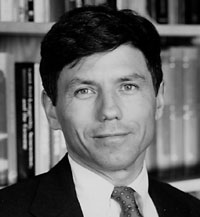
    Dr. Leslie Martin

    Host: Anti-Aging Psychologist Dr. Michael Brickey

    Guest: Dr. Leslie Martin

    Broadcast and podcast on webtalkradio.net. The podcast is also on the links below
    (to download, right click download and select “save target as.”)

    Dr. Howard Friedman and Dr. Leslie Martin are the current custodians of the study Lewis Terman started in the 1920s. That study followed 1500 bright boys and girls. Dr. Friedman and Dr. Martin’s book, The Longevity Project reports the latest findings from the Terman study and discusses how it compares with other studies.

    I see this eighty year study as one of the most important in psychology. First, lifelong longitudinal research is very rare. Second from the beginning of the study, the quality and comprehensiveness of the data were extraordinary. The study not only used data from the individuals but also data from teachers, families and even death certificates. While cause and effect are difficult to separate, longitudinal research gives a much better opportunity to discern what are the most causal factors.

    The single most important causal factor the study identified was conscientiousness. This was a combination of persistence and not taking undue risks. Contributing to the phenomenon is that conscientious people tend to have more stable careers, more stable marriages, take better care of their health, and have a sense of purpose and career and life satisfaction. You might say longevity belongs more to the conscientious tortoise than to the carefree, risk-taking hare. Happiness appears to be a byproduct of successful living rather than a cause of longevity.

    It was interesting that traits such as exceptional optimism and cheerfulness, while especially helpful in some situations, negatively correlated with longevity, apparently due to less concern about and attention to risks. Divorce in childhood and in marriages was strongly negatively correlated with longevity. While being active through life was important, athleticism wasn’t a factor in longevity.

    It is never wise to base all your conclusions on one study. The longevity study did, however, validate well with other longitudinal studies and with many short-term studies as well. Overall, it gives a hopeful message that you don’t have to be extraordinarily optimistic, cheerful, athletic, and popular to live a long, healthy life. Rather, having goals, persisting with those goals, being conscientious, having a network of friends, and helping others appears to be key factors in health and longevity and happiness.

    Further information on their research is at www.HowardSFriedman.com. Dr. Brickey is President of the Ageless Lifestyles® Institute. His websites include http://www.DrBrickey.com and www.Anti-Aging-Speaker.com.

    Posted in aging, health, longevity | No Comments »

    Longer Telomeres for Longer Lifespans

    Posted by Dr. Brickey on 15th January 2011

    Anti-Aging Psychologist, Dr. Michael Brickey

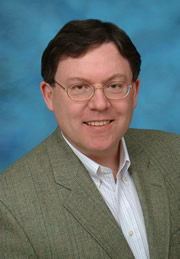
    Dr. Michael Fossel

    Host: Anti-Aging Psychologist Dr. Michael Brickey

    Guest: Dr. Michael Fossel

    Broadcast and podcast on webtalkradio.net. The podcast is also on the links below
    (to download, right click download and select “save target as.”)


    Many factors have contributed to Americans’ rising life expectancy, currently at 78 years. For almost fifty years, however, scientists have know about the Hayflick limit that most human cells are programmed to only divide about fifty times, setting a biological lifespan limit of about 120 years. Researchers believe this is due to the telomeres at the ends of our chromosomes often becoming shorter when cells divide.

    In his just published book, The Immortality Edge, Dr. Michael Fossel shares his decades of telomere research and shares his knowledge on how to enhance your health and life expectancy by helping your telomeres thrive.

    Telomeres appear to be a key to health and longevity. Telomere research has been slowly but surely advancing and closing in on practical, affordable interventions to extend telomere length—which in turn appears to enhance health and longevity. Stay tuned. In the meantime, The Immortality Edge both helps us understand telomeres and explains what we can do now to help our telomeres.

    As was evident in the interview, Dr. Fossel sticks close to the data and is careful not to infer too much. He is also very concerned about the psychological aspects of living, including balance, purpose, and enjoying life. He wrote the section of the book on telomeres and efforts to develop pills or other interventions that will help.

    His co-authors addressed diet, exercise, and supplements. Their recommendations for supplements try to tie each supplement in how the supplement affects telomeres. Their recommendations for exercise and nutrition are a little more speculative. For nutrition, they recommend a Paleolithic diet, i.e., mimicking the eating habits of our hunter-gatherer ancestors. They recommend eschewing grains and dairy. While this is a carnivorous diet (they recommend free-range organic meat–which not everyone can afford) it can be modified for vegetarians.

    In sum, it time to start paying attention to taking care of our telomeres. Dr. Fossel’s website/blog is www.MichaelFossel.com. Dr. Brickey’s other websites are www.DrBrickey.com and www.Anti-Aging-Speaker.com.

    Posted in aging, anti-aging, anti-aging medicine, longevity, supplements, telomeres | No Comments »

    A Tour of Longevity Research

    Posted by Dr. Brickey on 30th September 2009

    Anti-Aging Psychologist, Dr. Michael Brickey

    Anti-Aging Psychologist Dr. Michael Brickey

    Broadcast and podcast starting: August 31, 2009 on webtalkradio.net. After 9-7-09 the podcast is also on the links below
    (to download, right click download and select “save target as.”)

    Research is vital to separating opinions and myths from beliefs that have support. Rather than just talk about longevity research, we are going to take two tours. The first tour looks at centenarian research including Dr. Belle Boone Beard, Dr. Thomas Perls, the Delaney sisters, Waldo McBurney, George Dawson, Lynn Peters Adler, and Amy Gorman.

    The second tour is of aging research. It starts in Copenhagen with the twins studies finding only 25% of longevity it genetic, the Copenhagen Heart Study finding graying hair, balding, and or wrinkles don’t affect longevity. In Boston we look at Dr. George Vaillant and the Harvard Study of Adult Development-longitudinal research that has been following a cadre of Harvard students since 1939. Also at Harvard is Dr. Becca Levy whose longitudinal research found that whether people had positive or negative views of aging affected their longevity decades later. On the other side of Boston is Zone Diet creator Dr. Barry Sears, who in addition to a balanced Mediterranean diet is emphasizing inflammation as the common denominator of chronic diseases and fish oil as vital to restoring healthy Omega 3: Omega 6 balances.

    The tour then goes to the University of Pennsylvania (in Philadelphia) where Dr. Martin Seligman showed how people can learn to be more optimistic. He also developed the field of positive psychology and promoted in when he was president of the American Psychological Association. It’s just an hour drive to the plastic surgery practice of Vincent Giampapa in Montclair NJ. I included this stop as he is a good example of the clinical services cutting edge of anti-aging medicine. Dr. Giampapa’ practice will study your genes and health issues and prescribe supplements to (hopefully) turn on helpful genes and turn off unhelpful ones. He also will harvest stem cells and freeze them for later needs. Finally he has a new procedure of injecting fat cells (which are more likely to have stem cells) into facial skin to rejuvenate the skin without surgery.

    Next we fly to the Life Extension Foundation at Ft. Lauderdale Florida to meet with Joe Faloon the editor of the Life Extension magazine. The Life Extension Foundation has been ten years ahead of physicians with heart disease (e.g., CoQ-10 with statins, fish oil, bioidentical hormones and inflammation and endothelial aspects of heart disease. The Foundation has fearless fought the pharmaceutical industry and the FDA. It is funded by vitamin and supplement sales and donations. It conducts and funds a lot of cutting edge research.

    Next we go to Case Western Reserve University (Cleveland Ohio) to meet with Professor Stephen Post. He is the dean of altruism research and cites numerous research studies that find altruistic people live longer. Then we drive along the lake fronts to Chicago to meet with Dr. Ronald Klatz, founder of the American Academy of Anti-Aging Medicine (AAAAM). It board certifies physicians in anti-aging medicine and is a clearing house for anti-aging research. It also sponsors a lot of conferences. Then we to Minneapolis, MN to the School Sister of Notre Dame. This is where Professor David Snowden did longitudinal research with nuns, including autopsies of the brains when the died.

    If you really want to see what is new in anti-aging medicine, the place to go is the AAAAM annual conference in Las Vegas. This is the trade show for showing off all the new technologies and products.

    Then we fly to San Francisco where Stanford University professor Laura Carstensen developed socioemotional selectivity theory. The theory says that as we age we place more value on emotional experience (and on close friendships). A similar effect happens when people are facing major illness, disasters, and war. While in San Francisco, we can visit cardiologist Dr. Dean Ornish. Way ahead of his time, he developed a low fat diet that dramatically improved the health of heart patients. But it wasn’t just the diet, it also was his emphasis on stress management and exercise.

    The we drive down costal highway 101 to Los Angeles and take in the breathtaking views of the ocean. We visit psychiatrist Daniel Amen. His approach is to study brain scans and prescribe diet and lifestyle changes to help patients develop healthier brains. The proof is in the follow up brain scans. While in Los Angeles, we can visit Suzanne Summers in Malibu. Yes this is the same Suzanne Summers that was on Three’s Company and hawked the thing master. She is a major advocate for bioidentical hormone replacement. Her most recent books primarily consist of in-depth interviews with leading hormone experts.

    Finally we want to visit professor Sonja Lyubomirsky, the dean of happiness research. She says that 50% of our happiness is a genetically determined set point. Ten percent is circumstances. The remaining 40% is in our control and she outlines how to work with that part to increase happiness.

    Well, enough travel, I’m headed back to the Ageless Lifestyles® Institute where we focus on the mind game of living longer, healthier, and happier or what I call the Anti-Aging ABCs® (Attitudes, Beliefs, and Coping Skills). Her we also provide personal coaching and keynote and seminar services.

    Dr. Brickey’s other websites are www.DrBrickey.com and www.Anti-Aging-Speaker.com.

    Posted in aging, anti-aging, longevity | No Comments »

    How to Use Anti-Aging Psychology to Be More Youthful

    Posted by Dr. Brickey on 8th November 2008

    Anti-Aging Psychologist, Dr. Michael Brickey

    Stephen Ladd

    Special Edition: Stephen Ladd interviews  Anti-Aging Psychologist Dr. Michael Brickey

    Broadcast and podcast starting: 11-10-08 on webtalkradio.net. After 11-17-08 the podcast is also on the links below
    (to download, right click download and select “save target as.”)

    A big part of aging as little as possible is a mind game. Indeed only 30% of aging is genetic. The rest is how you think and the choices you make. How do you win the mind game? In this special edition of Ageless Lifestyles, Stephen Ladd interviews me on the how to use anti-aging psychology to think, feel, look, and be more youthful. The focus is on my Anti-Aging ABCs® (Attitudes, Beliefs, and Coping Skills) and practical beliefs shifts you can use instantly.

    The special offer link for Ageless Lifestyles listeners is at the bottom of www.NotAging.com. Dr. Brickey’s other websites are www.DrBrickey.com and www.Anti-Aging-Speaker.com.

    Posted in aging, anti-aging, health and wellness, longevity, youthful | No Comments »

    Centenarians: 100 Year Old Role Models for Ageless Lifestyles

    Posted by Dr. Brickey on 18th August 2008

    Anti-Aging Psychologist, Dr. Michael Brickey

    Lynn Peters Adler

    Host: Anti-Aging Psychologist Dr. Michael Brickey

    Guest: Lynn Peters Adler

    Broadcast and podcast starting: 8-18-08 on webtalkradio.net after 8-25-08 podcast availabe on the links below (to download, right click download and select “save target as.”)

    Who do you want as a hero—someone who swims six hours a day so he can swim a half second faster than everyone else, someone who is really good at catching a football, or someone who models living a long, healthy, happy life. I think our society is a little nuts with its hero worship of athletes, rock stars, and movie stars. Yes, they can teach us about focus and perseverance, but who can teach us how to live a good life? For that we need role models who have exceptional spiritual depth and deeds. We also need role models for how to navigate the largely unchartered territory of living well into your hundreds.

    Centenarians, people 100 years old and older, are those role models. Lynn Peters Adler is has dedicated to documenting their lives and learning their secrets. She is the author of Centenarians: The Bonus Years and is Director of the National Centenarian Awareness Project. She recently played a key role in the Barbara Walters special, How to Live to be 150. And we have a special treat for you—in the second half of the show we will be talking with a centenarian who may have a richer social life than you do. Here are some photos of our centenarian guest Elsa Hoffmann:
    centenarian Elsa Hoffmann

    centenarian Elsa Hoffmann


    Lynn Peters Adler’s website is www.AdlerCentenarians.org The phone number for getting someone 99 years or older on the registry at the National Centenarian Project is 1-800-243-1889. Dr. Brickey’s other webistes are www.DrBrickey.com and www.Anti-Aging-Speaker.com

    Posted in ageless, aging, anti-aging, centenarians, health, longevity, seniors | No Comments »

    Change Your Genetic Destiny, Reprogram Your Genes

    Posted by Dr. Brickey on 26th July 2008

    Anti-Aging Psychologist, Dr. Michael Brickey

    Dr. Vincent Giampapa

    Host: Anti-Aging Psychologist Dr. Michael Brickey

    Expert Guest: Dr. Vincent Giampapa

    Broadcast and podcast starting: 7-28-08 on webtalkradio.net after 8-4-08 podcast availabe on the links below
    (to download, right click download and select “save target as.”)

    Most people think their parents shuffled the genetic deck and dealt a sperm and egg that determined their genetic destiny. Dr. Vincent Giampapa teaches how you can have a lot of influence on what genes get turned on and off. This in turn has a big effect on your health and longevity. Rather than a fixed destiny, your genes continuously dialogue with what is happening in your body and to in your environment. Dr. Giampapa is a renowned plastic surgeon and one of the six founding member of the 20,000 member American Academy of Anti-Aging Medicine. Learn how you can influence which genes of your genes are on and off. Dr. Giampapa’s websites are:
    for his book, The Gene Makeover: www.thegenemakeover.com
    for supplements: www.suracell.com
    for his clinical practice: www.bestcosmeticMD.com

    Dr. Brickey’s websites other websites are www.DrBrickey.com and www.Anti-Aging-Speaker.com

    Posted in aging, anti-aging, anti-aging medicine, genes, genetics, health, health and wellness, holistic, longevity | No Comments »

    How Altruism and Love Foster Health, Happiness and Longevity

    Posted by Dr. Brickey on 18th May 2008

    Anti-Aging Psychologist, Dr. Michael Brickey

    Dr. Stephen Post

    Host: Anti-Aging Psychologist Dr. Michael Brickey

    Expert Guest: Dr. Stephen Post

    Broadcast and podcast:
    5-19-08 on webtalkradio.net
    after 5-27-08 podcast availabe at the links below.
    (to download, rightclick and slect save as…)

    I remember one of the songs my twins listened to just a few years ago said, when you help someone smaller, you make you feel taller. Clergy urge us to be generous and do good deeds. But what does science say about altruism and helping others? Dr. Stephen Post has done extensive research on love and doing good. Dr. Post is a bioethics professor at Case Western Reserve University, President of the Institute for Research on Unlimited Love, and author of Why Good Things Happen to Good People. He has shown that the Fountain of Youth has been inside us all the time. And while becoming a more loving, giving person won’t make you live forever, his research shows that it will help you live a longer, healthier, happier life. In the first part of the show we will look at love, happiness, and what makes a good life. In the second part of the show we will get specific about how to live a more loving live.

    In the first part of the show, we will focus on how to know what colors enhance your appearance. In the second part of the show we will look at how our ideal colors shift with age and how to stay in style. We’ll also look at issues like fit, texture, patterns, and accessories.

    Posted in aging, altruism, anti-aging, health, health and wellness, longevity, love | No Comments »