
Ageless Lifestyles®

Ageless Lifestyles® Radio

Get Your 3 Free Anti-Aging Gifts!

1. Free Report: The 3 Most important Secrets to a Youthful Life
2. The Defy Aging Newsletter
3. Eight ageless email mini-lessons

Name:
Email:
  • Pages

  • Anti-Aging Positive Psychology

    Holistic Health Wellness

    At the Ageless Lifestyles Institute, Dr. Michael Brickey and associates help people grow young and live with purpose. The Institute provides research, motivational seminars, speaker services, publishing, and life coaching for holistic health and wellness, & anti-aging psychology.

    "Change can be quick, easy, and painless when you know how to engineer it," says Dr. Brickey. To learn the psychology of a youthful mindset at every age men click here / women click here.

    Want anti-aging research on holistic health, positive psychology and wellness? We have anti-aging articles, newsletters, press releases, and news and news and media interview information.

  • Meta

    • Categories

  • Books & CDs


    • 52 Baby Steps to
      Grow Young

    • Featured on
      Oprah and CNN

    • Anti-Aging Hypnosis CDs
  • How to Sleep Better

    Posted by Dr. Brickey on December 31st, 2009

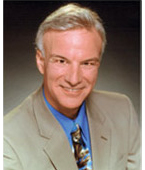
    Anti-Aging Psychologist, Dr. Michael Brickey

    Dr. Lawrence Epstein

    Host: Anti-Aging Psychologist Dr. Michael Brickey

    Guest: Dr. Lawrence Epstein

    Broadcast and podcast starting: November 23, 2009 on webtalkradio.net. After 9-30-09 the podcast is also on the links below
     
     How to Sleep Better [45:19m]: Play NowDownload
    (to download, right click download and select “save target as.”)

    When patients complain of “insomnia,” Dr. Lawrence Epstein becomes a medical detective. “There are 75 types of sleep disorders and each type requires a somewhat different approach,” says Dr. Epstein. “The best starting point is a good diagnosis.” His book, The Harvard Medical School Guide to A Good Night’s Sleep, helps readers self-diagnose their problem and whether they need professional help or can resolve the problem on their own. Research shows that good sleep helps people have better health, fewer accidents, and live longer.

    Dr. Epstein is Director of the Harvard-affiliated SleepHealth Centers, teaches at Harvard, and is a past president of the American Academy of Sleep Medicine. His website, which has a lot of practical tips on sleep is www.sleepandyou.com.

    About a year ago I started having sleep problems. I’d wake up every few hours and in the mornings I had headaches. I perused several books on sleep problems and found they just had generic advice. I went through a sleep doctor, a sleep lab, a neurologist, and had an MRI. They didn’t find any cause. Eventually the problem resolved itself—apparently, it was stress. I thought I knew most of the basics about sleep until I read Dr. Epstein’s book. What I found is that there are dozens of causes of sleep disorders, Dr. Epstein said 75 to be exact, and each type requires a somewhat different approach.

    What I learned from Dr. Epstein is that the best starting point is a good diagnosis of what the problem is—and his book goes a long way to helping people self- diagnose the problem and whether they need professional help or can resolve the problem on their own. I wish I had started there in the first place. Why am I talking about sleep on a program focused on living longer, healthier, and happier? Not only does the research show that good sleep helps people have better health, be less likely to have accidents, and to live longer, the research finds it is vital to our quality of life.

    Dr. Brickey’s other websites are www.DrBrickey.com and www.Anti-Aging-Speaker.com.

    When patients complain of “insomnia,” Dr. Lawrence Epstein becomes a medical detective. “There are 75 types of sleep disorders and each type requires a somewhat different approach,” says Dr. Epstein. “The best starting point is a good diagnosis.” His book, The Harvard Medical School Guide to A Good Night’s Sleep, helps readers self- diagnose their problem and whether they need professional help or can resolve the problem on their own. Research shows that good sleep helps people have better health, fewer accidents, and live longer.

    Dr. Epstein is Director of the Harvard-affiliated SleepHealth Centers, teaches at Harvard, and is a past president of the American Academy of Sleep Medicine. His website, which has a lot of practical tips on sleep is www.sleepandyou.com.

    About a year ago I started having sleep problems. I’d wake up every few hours and in the mornings I had headaches. I perused several books on sleep problems and found they just had generic advice. I went through a sleep doctor, a sleep lab, a neurologist, and had an MRI. They didn’t find any cause. Eventually the problem resolved itself—apparently, it was stress. I thought I knew most of the basics about sleep until I read Dr. Epstein’s book. What I found is that there are dozens of causes of sleep disorders, Dr. Epstein said 75 to be exact, and each type requires a somewhat different approach.

    What I learned from Dr. Epstein is that the best starting point is a good diagnosis of what the problem is—and his book goes a long way to helping people self- diagnose the problem and whether they need professional help or can resolve the problem on their own. I wish I had started there in the first place. Why am I talking about sleep on a program focused on living longer, healthier, and happier? Not only does the research show that good sleep helps people have better health, be less likely to have accidents, and to live longer, the research finds it is vital to our quality of life.

    Similar Posts

    You can leave a response, or trackback from your own site.

    Leave a Reply