Ageless Lifestyles®

Ageless Lifestyles® Radio

Get Your 3 Free Anti-Aging Gifts!

1. Free Report: The 3 Most important Secrets to a Youthful Life
2. The Defy Aging Newsletter
3. Eight ageless email mini-lessons

Name:
Email:
  • Pages

  • Anti-Aging Positive Psychology

    Holistic Health Wellness

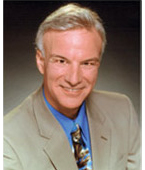
    At the Ageless Lifestyles Institute, Dr. Michael Brickey and associates help people grow young and live with purpose. The Institute provides research, motivational seminars, speaker services, publishing, and life coaching for holistic health and wellness, & anti-aging psychology.

    "Change can be quick, easy, and painless when you know how to engineer it," says Dr. Brickey. To learn the psychology of a youthful mindset at every age men click here / women click here.

    Want anti-aging research on holistic health, positive psychology and wellness? We have anti-aging articles, newsletters, press releases, and news and news and media interview information.

  • Meta

    • Categories

  • Books & CDs


    • 52 Baby Steps to
      Grow Young

    • Featured on
      Oprah and CNN

    • Anti-Aging Hypnosis CDs
  • Archive for the 'seniors' Category

    Aging in the Second Half of Life

    Posted by Dr. Brickey on 31st December 2009

    Anti-Aging Psychologist, Dr. Michael Brickey

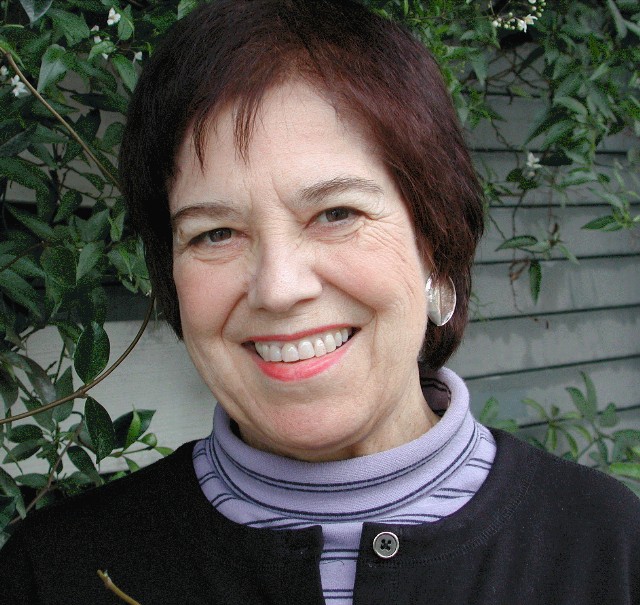
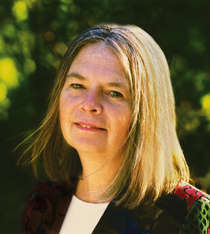
    Dr. Angeles Arrien

    Host: Anti-Aging Psychologist Dr. Michael Brickey

    Guest: Dr. Angeles Arrien

    Broadcast and podcast starting: December 7, 2009 on webtalkradio.net. After 12 14-09 the podcast is also on the links below
     
     Aging in the Second Half of Life [50:02m]: Play NowDownload
    (to download, right click download and select “save target as.”)

    Children immerse themselves in the fun and identity metaphors of Harry Potter, young adults in the metaphors, mentors, and finding meaning in Star Wars. But what about the quest for identity and meaning after 50? Dr. Arrien has studied literature, poetry, and many cultures to help us seek our own quest for a richer, more meaningful second half of life.To review, like the Freudian psychologist Carl Jung, Dr. Arrien is fascinated with symbols, metaphors, and cultural heritage.

    In The Second Half of Life, she focuses on the neglected subject of psychological and spiritual development after 50. It is refreshing to hear our sixties described as the youth of our wisdom years and eighties and nineties and beyond as the peak of our wisdom years. She describes 50 as a milestone when people tend to start shifting from an emphasis on ambition to an emphasis on meaning, from doing to being, from acquisition to divestiture, from me to we. She describes it as a time of increased clarity and objectivity.

    She distinguishes journaling from keeping a diary with journaling being more insight and action oriented. She uses four questions: What has inspired me, what has challenged me, what has surprised me, and what has touched or moved me. She noted that in death and dying research, people want the closure of having addressed five issues: thank you, I love you, forgive me, I forgive you, and goodbye. She talked about the eight lies, for example, I’ll be happy when I have more money, when I marry the right person, when I and more successful, etc. and the four bones—the backbone, wishbone, funny bone and hollow bone.

    Addressing this subject was a stretch for me in while I certainly use a lot of metaphors in therapy, coaching, and hypnosis, I usually use them strategically to achieve a fairly specific objectives, as opposed to be immersed in them as a general growth exercise. It’ not a question of who is right but different people resonating with different styles. For example, some people thrive on meditation; while others would find it torture. Thus, I am delighted to have the diversity, and I am delighted to stretch my own thinking and my own style by reading The Second Half of Life and talking with Dr. Arrien.

    I read her book the hard way—in a day. It is really much better suited and more valuable to read a few pages a day to let the ideas incubate before reading more. I find her concept of concept of monthly journaling with a focus on growth questions and action especially generative. Finally, it is important to get associate with positive people. Dr. Arrien is positive and her view of aging is very refreshing and positive.

    Dr. Arrien’s website is www.AngelesArrien.com. Dr. Brickey’s other websites are www.DrBrickey.com an www.Anti-Aging-Speaker.com.

    Posted in Boomers, aging, developmental psych, life coaching, purpose, seniors | 2 Comments »

    What’s Good About Aging

    Posted by Dr. Brickey on 30th September 2009

    Anti-Aging Psychologist, Dr. Michael Brickey

    Anti-Aging Psychologist Dr. Michael Brickey

    Broadcast and podcast starting: September 28, 2009 on webtalkradio.net. After 10-5-09 the podcast is also on the links below
     
     What’s Good About Aging [23:49m]: Play NowDownload
    (to download, right click download and select “save target as.”)


    Remember the first time a birthday made you feel old? the jokes? the doubts? the fears your best days were behind you? Maybe you imagined someday wasting away in a nursing home. That’s when you got sucked into the script for thinking and feeling old. Our youth-obsessed culture promotes the idea that aging is all downhill. But I’m here to tell you that for most of us, life gets better as we age. Today I will depart from my usual format of interviewing an anti-aging expert and share with you my Top Ten Social Perks for Being Over 50.So let me get right to my top ten list.


    The Top Ten Social Perks of Being Over Sixty©

    by Michael Brickey, Ph.D., ABPP

    1. Research finds that older people are happier

    Research finds that older people report being happier than younger people. The percentages of Americans who said they were very happy were: 28% at ages 18-27, 31% at 28-37, 32% at 38-47, 33% at 48-57, 36% at 58-67, and 38% at 68-77. It drops to 34% for ages 78-89. Still, the 78-89 year old Americans are happier than people under 60. Why? Older people are more comfortable and secure with who they are, what their values are, and what they want to do with their lives. Research finds they focus more on positive events and less on negative events.

    [Reserach based on Mroczek, Daniel, & Kolarz, Christian.  The effect of age on positive and negative affect: A developmental perspective on happiness, Journal of Personality and Social Psychology, 1998, 75, 1333-1348.]

    2. Less peer pressure

    For most teens, especially girls, fitting in, being liked, and being popular are paramount issues. While seeing themselves as rebellious, teen culture is actually very conformist. Teens spend many hours worrying about the right clothes, the right music, and being hip. Age brings a clearer sense of identity and less importance on peer pressure. Employment requires being concerned about pleasing the boss, coworkers, and customers. When employment is no longer required for income, there is a new freedom from peer pressure.

    3. More wisdom

    Age brings experience and knowledge and learning from mistakes-our own mistakes and others’ mistakes. Living longer doesn’t guarantee wisdom, but it is a prerequisite.

    4. More time

    Rearing children takes a lot of time and energy. When they eventually leave home, it is eerie how quiet it becomes and how much more time there is. Retirement (or no longer having to work for the money) brings more discretionary time. It can be a time to pursue passions. It can be more time for friends and family. It can be more time to slow down, enjoy life more, think more, and smell the roses.

    5. Better control of emotions

    Research shows that age brings better skills at managing emotions and dealing with problems. Experience dealing with a lot of conflicts brings skills. In marital or long-term relationships, couples learn what to fight and what to accept. In short, age brings a larger, more tested repertoire for dealing with problems.

    6. Better story tellers

    Researchers had people listen to stories told by older people and younger people. They rated older peoples’ stories as more interesting, more informative, and of higher quality. This comes at a time in life when seniors are stepping up to being the family matriarchs and patriarchs and passing on family

    traditions, values, and stories. People tune out lectures. Stories, however, hypnotize listeners and slide in the message.

    7. Sexuality doesn’t complicate relationships as much

    Many seniors have a rich sex life and sexuality is important in their lives. Sexuality, however, becomes less about proving manhood or validating being desirable and loved, and more about warmth, caring, and sharing. Age brings fewer worries about political correctness and whether a hug or compliment will be considered a pass or sexual harassment. For couples, there is less fear of children overhearing or interrupting intimate moments and less fear of an unwanted pregnancy. Older men often become more emotionally involved in sex as they need more physical stimulation.

    8. Better quality friendships

    Youth is a time to experiment and try new things. It is a time to make friends with a wide variety of people. Experience teaches which friendships are likely to be rewarding and which friendships are likely to be superficial. With age, some friendships last for decades. Such friendships are indeed treasures. Research finds that older people have fewer causal acquaintances. They place more emphasis on family and close friends, are more satisfied with their relationships than younger people, and feel strong bonds to close friends. Many “prune” their friendships and make remarks like, “I don’t have time for those people.” There is a shift from novelty to quality, from popularity to meaning.

    9. Pride in age again

    Children proudly hold up fingers to tell their age and can’t wait until their next birthday. Each birthday is a landmark event. Adults in their thirties, forties, fifties, and sixties see age as eroding vitality and attractiveness and try to hide and deny their age. After sixty, age starts becoming something to be proud of and gives a sense of accomplishment and achievement. By ninety or 100 there are serious bragging rights.

    10. Understanding the circle of life

    The story of Peter Pan begins, “All of this has happened before, and all of it will happen again.” Age bears witness to cycles of birth, marriage, children and death; of hard times and easy times; of war and peace. Age brings an understanding of life’s rhythms and cycles. A great sense of satisfaction comes with this glimpse into the secrets of the universe.

    Certainly a person can have sixty years of experience or one year of experience sixty times. Of course, not everyone over sixty experiences these perks. The perks cite generalities. Nevertheless, if you are a person who continues to grow with age, you are likely to experience these perks.

    Posted in Boomers, aging, anti-aging, seniors | No Comments »

    What Erickson Living® Can Teach Us About Aging

    Posted by Dr. Brickey on 19th August 2009

    Anti-Aging Psychologist, Dr. Michael Brickey

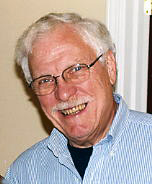
    Dr. Matt Narrett

    Host: Anti-Aging Psychologist Dr. Michael Brickey

    Guest: Dr. Matt Narrett, Chief Medical Officer for Erickson Living®

    Broadcast and podcast starting: August 20, 2009 on webtalkradio.net. After 8-31-09 the podcast is also on the links below
     
     What Erickson Living® Can Teach Us About Aging [60:49m]: Play NowDownload
    (to download, right click download and select “save target as.”)

    To me, Erickson Living® is the Google of services for seniors. Its twenty communities are amazing, it’s medical services are the medical services we all wish we had, Erickson’s Retirement Living Television is only national TV network for seniors, the Erickson Tribune has a circulation of three million, and the Erickson School of Aging, Management and Policy at the University of Maryland and the Erickson Foundation conduct and support a lot of research on aging.

    Last year I had the pleasure of interviewing John Erickson, a true visionary. He recently retired. When I learned that Erickson’s new COO and Erickson’s Medical Director, wrote a new book Old is the New Young: Erickson’s Secrets to Healthy Living, I knew it would be good and arranged to get Dr. Narrett on Ageless Lifestyles®.

    I talk about John Erickson being a visionary because he doesn’t just see what people want and provide it. He envisions what we should want and makes it happen. Thus, Erickson Living®  has well-paid primary care doctors spending half an hour per patient visit, using electronic records networked with hospitals, and practicing holistic medicine and preventive medicine-all on a Medicare budget. If he had just created Erickson Living® it would be impressive. But to also create the Retirement Living TV, the Erickson Tribune, and the philanthropic and educational programs he has created, is stunning.

    Happily, Erickson Living® isn’t the only visionary in senior healthcare. Bill Thomas, creator of the Eden Alternative and the Greenhouse Movement and Paul and Terry Klaasen of Sunrise Assisted Living also have visionary leadership. There are many more people making an impact on a smaller scale. I mention these people because of the size of their impact. It is an innovative time for seniors.

    On the surface Old is the New Young isn’t a profound or visionary book. Much of the advice is advice commonly found in news reports and magazine articles. What is unique is that instead of piecemeal advice, the book weaves together a holistic picture of what seniors need, with an emphasis on having a life with purpose. The holistic picture is quite unique. Thus instead of advice like use your mind, do crossword puzzles; we are told crosswords are OK if you like them but what really matters is curiosity and interactive learning–and a reasonably good diet and reasonable amount of exercise to stay healthy mentally and physically.

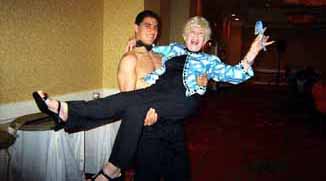
    Of course you never know where that curiosity and a little chutzpah will lead. After Erickson Living® community at Greenspring women in their 70s, 80s, and 90s  made the pin-up calendar, The Ladies of Greenspring Calendar, the men at Greenspring countered with The Hunks of Greenspring Calendar.

    Erickson Living®’s website is www.Erickson.com. Dr. Brickey’s other websites are www.DrBrickey.com and www.Anti-Aging-Speaker.com.

    Posted in Boomers, Erickson Living, aging, anti-aging, anti-aging medicine, healthcare, holistic, retirement, retirement planning, seniors | Comments Off

    Passion, Renewal, Risk and Adventure in Boomer and Senior Aging

    Posted by Dr. Brickey on 2nd August 2009

    Anti-Aging Psychologist, Dr. Michael Brickey

    Dr. Sara Lawrence-Lightfoot

    Host: Anti-Aging Psychologist Dr. Michael Brickey

    Guest: Image/Dr. Sara Lawrence-Lightfoot

    Broadcast and podcast starting: August 3, 2009 on webtalkradio.net. After 8-10-09 the podcast is also on the links below
     
     Passion, Renewal, Risk and Adventure in Boomer and Senior Aging [52:26m]: Play NowDownload
    (to download, right click download and select “save target as.”)

    Chapters in books are so unnecessary. Think how many trees would be saved if the print just continued on. But we love chapters. They help us group concepts, alert us to transitions, and reward us for completing an episode. Harvard professor Dr. Sara Lawrence-Lightfoot is a developmental sociologist who focuses on stages of human development. She describes ages 50-75 as the third chapter in our lives and titled her new book, The Third Chapter: Passion, Risk, and Adventure in the 25 Years After 50.

    I’m amused at theorists that come up with principles that are so simplistic as to be useless tautologies like Freud’s conflict between our life and death drives, theologians who see life as a conflict between good and evil, and anti-aging products have the one single key to health and youthfulness. Stage theories can be simplistic and rigid. What I like about Erik Erickson’s eight stages and Dr. Lawrence-Lightfoot’s third chapter is that they are flexible and accommodate individual differences. Thus some third chapter Boomers and seniors focus on career walls, some go back to previous passions, some deal with unresolved traumas, and some go yet another direction. For some it is a shift from career achievement to making the world better or leaving a legacy. Earlier stages of development may be revisited briefly, in great depth, or not at all.

    Self-help books and gurus tend to focus on building motivation, visualizing outcomes, and following principles. Dr. Lawrence-Lightfoot focuses on studying role models and their pain and struggles. As her book title indicates it’s adventure and it’s also risk. However, whether it is people starting a business or creating a new chapter in your life, naively following your bliss can be disastrous. The more you learn about and prepare for what you are getting into, the more likely you are to be successful. For example, when considering a new career, learn as much as you can about it. Role models and mentors can be enormously helpful in reducing trial and error learning. The Third Chapter is a wonderful source for role models on dealing with the personal and emotional anxieties and roller coaster ride that often goes with making big life changes. So why do it? As Erickson put it in his seven stage, it’s about generativity vs. stagnation.

    Humans love stories and this is about making sense of your life story and choosing your next chapter-as opposed to just going with the flow and letting things happen. Thinking of your future as a story can help. Telling it to others is very helpful. The Third Chapter makes an excellent group discussion book and the web site has a free discussion guide. Perhaps writing your story can help as well. If you have ever taught a course, you know that you learn the material much better when you teach it to others. Likewise, you become much clearer about your story when you tell it to others or put your story in writing. Dr. Lawrence-Lightfoot’s website for her book is www.TheThirdChapter.com.  Dr. Brickey’s other websites are www.DrBrickey.com and www.Anti-Aging-Speaker.com

    Posted in Boomers, aging, careers, seniors | No Comments »

    Wisdom from Seniors on How to Live

    Posted by Dr. Brickey on 4th July 2009

    Anti-Aging Psychologist, Dr. Michael Brickey

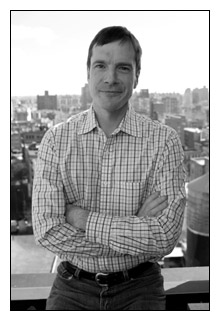
    Henry Alford

    Host: Anti-Aging Psychologist Dr. Michael Brickey

    Guest: Henry Alford

    Broadcast and podcast starting: July 6, 2009 on webtalkradio.net. After 7-13-09 the podcast is also on the links below
     
     Wisdom from Seniors on How to Live [53:48m]: Play NowDownload
    (to download, right Deleteclick download and select “save target as.”)

    Age brings the opportunity for wisdom but doesn’t automatically bring wisdom.  Henry Alford, a pundit and humorist who writes for the New York Times, Vanity Fair, and The New Yorker, set out seek the wisdom of older people-as he puts it “while they are still on this earth.” The result was his newest book, How to Live: A Search for Wisdom from Old People. Today he shares the insight, wit and wisdom from his quest.

    When it comes to interviewing and writing, frankly, I’m more used to the left brain approach of talking about data and clinical experience. But from doing psychotherapy, life coaching, and public speaking I’m also keenly aware of the power of stories. Exploring stories and biographies with Henry Alford is a refreshing shift to the right brain for exploring wisdom. Indeed wisdom is such a difficult concept to define, that it is especially well suited to narrative examples.

    At first, I was feeling a little envious of Henry as he gets to interview experts on wisdom. Then I realized interviewing experts is exactly what I do every two weeks on Ageless Lifestyles. The principle difference is that Henry Alford interviews them in person and I interview them by phone.

    So what did we learn about wisdom? Perhaps it’s like good art-you know it when you see it. Certainly, Henry provided wonderful examples of wise people. Various definitions of wisdom include: a mix of erudition, judgment, making the best choices, cleverness, and spiritual wisdom. A classic example is King Solomon smoking out the real mother by ruling a disputed baby should be cut in half. Another classic example of wisdom was when a Gentile told Hillel he would convert to Judaism if he could explain the Torah while standing on one foot. Hillel replied, “That which is hateful to you, do not do to your neighbor. That is the whole Torah; the rest is commentary.”

    In our interview Henry Alford zipped through his five traits that characterize wisdom.

    • His first is reciprocity. I think by reciprocity he not only refers to appreciating give and take, but also foreseeing the many domino effect that an action or lack of action can have.
    • His second trait is nonattachment. This is the ability to step back and objectively see things with perspective. Indeed, I find perspective is the key to so many things such as emotional healing, progress in psychotherapy, turning pain into humor, and solving most problems. Nonattachment is what enables us to let go of pain and self-interest so we can see things from a different viewpoint.
    • His third trait is doubt. Doubt helps with perspective. Ironically, some of the leaders he admired led causes and seemed to have little doubt. Abraham Lincoln seemed to be a president who wrestled with doubt. Presidents like Ronald Reagan and Lyndon Johnson seemed to show little doubt.
    • Henry Alford’s fourth trait is discretion. This involves using nonattachment and perspective to appreciate how actions affect others and trying to do things in a way that does the most good and as kindly and considerately as possible.
    • His fifth trait is working for the common good. This distinguishes those who are bright and clever but merely acting in self-interest, from those who are helping a larger cause.

    Why did Henry Alford zip through the five traits? Because his style and contribution isn’t an academic definition but as the said the “take away,” for him is the power of biography.

    Henry Alford’s website is www.HenryAlford.com. Dr. Brickey’s other websites are www.DrBrickey.com and www.Anti-Aging-Speaker.com.

    Posted in seniors, wisdom | No Comments »

    Living to 100 and Loving It

    Posted by Dr. Brickey on 13th April 2009

    Anti-Aging Psychologist, Dr. Michael Brickey

    Elsa Hoffmann

    Host: Anti-Aging Psychologist Dr. Michael Brickey

    Guests: Elsa Hoffmann and Sharon Textor-Black

    Broadcast and podcast starting: April 13, 2009 on webtalkradio.net. After 4-19-09 the podcast is also on the links below
     
     Living to 100 and Loving It [36:33m]: Play NowDownload
    (to download, right click download and select “save target as.”)

    ***Click here for information on the 2009 Therapist Leadership Conference***

    Only a third of Americans want to live to 100. Why? They imagine that living to 100 means being in a nursing home, crippled with arthritis, your mind destroyed by Alzheimer’s, and the highlight of your day-nursing home food. That is a possibility, but certainly not a necessity. Today we are going to talk with 101 year old Elsa Hoffman and her granddaughter/biographer Sharon Textor-Black on how living to 100 can be fabulous.

    What makes Elsa such a vital person at 101? The genetic lottery probably accounts for about 25% of her success. Let me cite four other factors that contribute to her longevity:

    1.     There are hundreds of studies that indicate optimists live longer, healthier, happier lives. Elsa is an absolute master at optimism. Sharon sees Elsa’s childhood as Prussian. Elsa sees her childhood as great lessons in discipline and attention to detail. While Elsa wanted to be a teacher, she sees her father’s insistence on business school having served her very well.

    2.     One of the most difficult challenges in living a long life is dealing with the death of friends and family. Even the death of her son and her beloved husband didn’t throw her for very long. She has a view of death that it is a natural event and leads to an even better place. Further, for those who are suffering in pain, as her son did, it is a reprieve from suffering.

    3.     She has a sense of purpose. Her purpose is to draw others out, help people connect, and help people feel better. For a couple of decades she and her husband ran a resort in Florida. It was a place where no one was a stranger and guests gathered around the piano for singing. Nothing makes her happier than to connect people. If that weren’t purpose enough, she has always done a lot of charitable and funding raising. I also note she has a wide variety of interests and activities-including travel, cards, baking, and reading. The variety helps keep the interests fresh and by having a variety, if one activity becomes unavailable, she has several others to keep life enjoyable.

    4. She takes care of herself, with eating well, walking, getting good health care, and being prudent with money. There are two aspects of taking care of herself that are a matter of style rather than necessity. She finds dressing well and always looking good helps her feel good about herself and shows respect to others. She also doesn’t mind acknowledging that she has had a-one-facelift-because she wants to look her best. Their website is www.ElsasOwnBlueZone.com. Dr. Brickey’s other websites are www.DrBrickey.com and www.Anti-Aging-Speaker.com. ***********************

    Posted in aging, anti-aging, centenarians, seniors | 1 Comment »

    A Fulfilling Sex Life for Boomers and Seniors

    Posted by Dr. Brickey on 1st March 2009

    Anti-Aging Psychologist, Dr. Michael Brickey

    Dr. Robert Birch

    Host: Anti-Aging Psychologist Dr. Michael Brickey

    Guest: Sexologist Dr. Robert Birch

    Broadcast and podcast starting: March 2, 2009 on webtalkradio.net. After 3-9-09 the podcast is also on the links below
     
     A Fulfilling Sex Life for Boomers and Seniors [48:48m]: Play NowDownload
    (to download, right click download and select “save target as.”)

    While cake is good without icing, sex is the icing on the cake that makes intimate relationships especially sweet. Our humor is a good indication of how important sex is to us, and how much anxiety we have about it. It takes more than a little blue pill to have a fulfilling sex life. Sexologist Dr. Robert Birch has more thirty years experience working with men, women, and couples on sexual concerns. Although retired from clinical practice he still writes extensively how to have a more fulfilling sexual life.

    Dr. Robert Birch has been a pioneer in sex therapy and has specialized in sex therapy for more than 30 years. He is the author of numerous books and e-books and an erotic novel. His hardcover books include Oral Caress: A Loving Guide to Exciting a Woman, Sex and the Aging Male, A Sex Therapist’s Manual, Pathways to Pleasure: A Woman’s Guide to Orgasm, Male Sexual Endurance: A Man’s Book About Ejaculatory Control, Not to the Letter of the Law: Poetry in the Spirit of the Glosa, Rhubarb Pie: With Just a Taste of Naughty, A Bite Out of the Rainbow: A Mosaic of Erotic Verse, Tales of Erotic Encounters: X-Rated Short Stories, and Gray Pleasures. Information on all of his books is at oralcaress.com, which has books, DVDs, and a lot more. Note: his website and books are explicit.Dr. Brickey’s websites include DrBrickey.com and Anti-Aging-Speaker.com.

    Dr. Robert Birch is like an artist who loves his work. He is like a cook who loves to cook. Retire? Artists and cooks don’t retire-they love their art and love their food. Talking with Dr. Birch is like talking with a Robert Frost or a Julia Child.

    Most sex therapists talk a lot about technique. I love the way Dr. Robert Birch places the emphasis on outlook an attitude. His biggest emphasis is on sex as play. The spice is creativity and adventure. His metaphor is enjoying the trip whether you get to the destination or not. It is sex that lasts a lifetime. Some of the keys were focusing on the sensual as opposed to performance and talking positively, for example I love it when you do that as opposed to why don’t you ever….

    I found it fascinating that in his 30 years of research and clinical experience he finds a lot of middle aged men avoiding sex for fear they won’t perform well. The shift to a mindset of a playful trip means there is no grade. I also was fascinated to learn that swingers have very clear rules. It was also fascinating that most people in open marriages eventually end up closing the relationship, that is making it exclusive, …or getting a divorce. Why, sex and relationships require trust and it’s hard to have trust without rules and in an open marriage. Of course, Dr. Birch’s first rule is play.

    I am delighted to welcome our sponsor Dr. Barry Sears’ Zone Labs. Dr. Sears developed the Zone Diet and is author of several best sellers including the The Zone and Toxic Fat. Listeners and readers can get a limited time 10% discount on your first purchase of Dr. Sears’ supplements to help you stay healthy and lose weight. This includes vitamins, antioxidants, Zone snack bars, and much more. I especially recommend his fish oil which is double refined and has every batch tested to avoid toxins, metals and oxidation. To get the discount, go to www.ZoneDiet.com and use the promotional code “Ageless” or call 1-800-404-8171 and use the promotional code “Ageless.” My recommendation: choose the customize button and (unless you are an elite athlete) Omega Rx and SeaHealth Plus, which also entitles you to three of Dr. Sears’ books for free as well as the 10% discount.


    Posted in Boomers, seniors, sex | 1 Comment »

    You’re Never Too Old To Flirt

    Posted by Dr. Brickey on 2nd February 2009

    Anti-Aging Psychologist, Dr. Michael Brickey

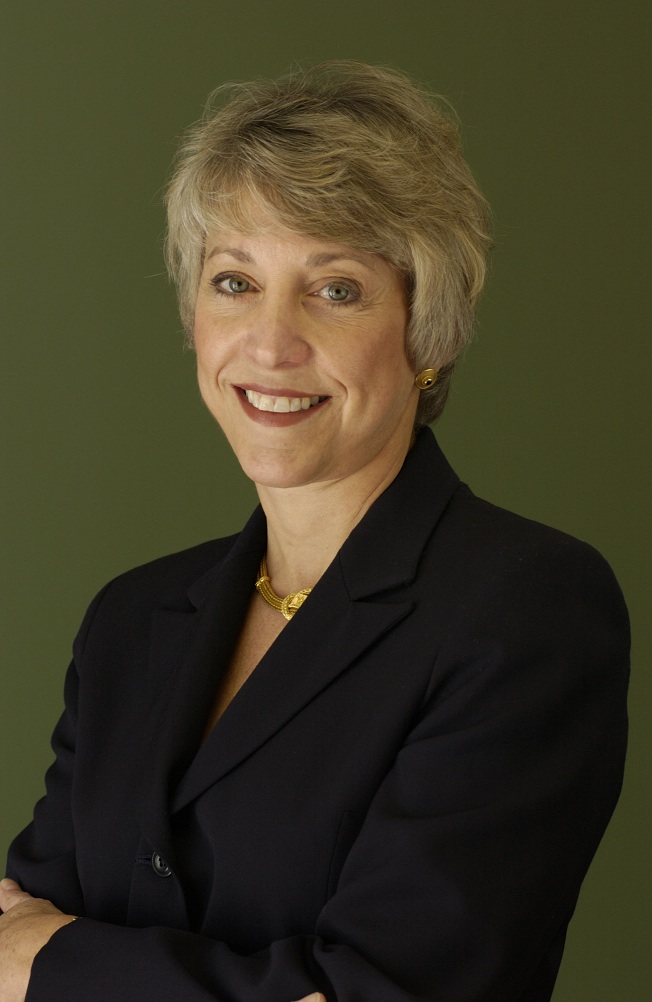
    Barbara Bellman

    Host: Anti-Aging Psychologist Dr. Michael Brickey

    Guest: Barbara Bellman

    Broadcast and podcast starting: Feb. 2, 2009 on webtalkradio.net. After 2-9-09 the podcast is also on the links below
     
     You're Never Too Old To Flirt: Play NowDownload
    (to download, right click download and select “save target as.”)

    Flirting is like salt and pepper. Just a dash makes dinner so much more enjoyable. But if you try to flirt at 50, 60, or 70 the way you did at 20 or 30, you’ll look foolish and ridiculous. Today Barbara Bellman, author of Flirting After Fifty, applies her marketing and branding skills to help us learn how women and men can flirt at 50, 60, and even 90 or 100.

    Barbara Bellman’s website is www.FlirtingAfterFifty.com. Dr. Brickey’s other websites are www.DrBrickey.com and www.Anti-Aging-Speaker.com.

    I am delighted to welcome our sponsor Dr. Barry Sears’ Zone Labs. Dr. Sears developed the Zone Diet and is author of several best sellers including the The Zone and Toxic Fat. Listeners and readers can get a limited time 10% discount on your first purchase of Dr. Sears’ supplements to help you stafy healthy and lose weight. This includes vitamins, antioxidants, Zone snack bars, and much more. I especially recommend his fish oil which is double refined and has every batch tested to avoid toxins, metals and oxidation. To get the discount, go to www.ZoneDiet.com and use the promotional code “Ageless” or call 1-800-404-8171 and use the promotional code “Ageless.”

    Posted in aging, dating, flirting, seniors | 3 Comments »

    The Other Green Revolution: Homey Alternatives to Nursing Homes

    Posted by Dr. Brickey on 17th January 2009

    Anti-Aging Psychologist, Dr. Michael Brickey

    Beth Baker

    Host: Anti-Aging Psychologist Dr. Michael Brickey

    Guest: Beth Baker

    Broadcast and podcast starting: 1-19-09 on webtalkradio.net. After 1-26-09 the podcast is also on the links below (to download, right click download and select “save target as.”)

    One of our worst nightmares is having to live the rest of our lives in a nursing home. There are almost 50% more nursing homes than McDonald’s restaurants in the US. While most are fairly well run, the structure and values of nursing home typically make them warehouses that strip residents of their dignity, independence, and any semblance of a normal lifestyle. No wonder so many older Americans ask their children to “Promise me you will never put me in a nursing home.” It doesn’t have to be that way. Beth Baker, author of Old Age in a New Age, describes dozens of facilities that really are homes.

    Beth Baker’s website is www.BethBaker.net. She talked about www.pioneernetwork.net the coalition that is supporting alternatives like the Eden alternative, the Greenhouse movement, and person-centered homes. Dr. Brickey’s other websites are www.DrBrickey.com and www.Anti-Aging-Speaker.com.

    Posted in Eden alternative, Greenhouse Movement, aging, nursing homes, seniors | No Comments »

    Life Lessons from Literature

    Posted by Dr. Brickey on 10th January 2009

    Anti-Aging Psychologist, Dr. Michael Brickey

    Host: Anti-Aging Psychologist Dr. Michael Brickey

    Guest: Dr. Joe Sperry

    Broadcast and podcast starting: 1-12-09 on webtalkradio.net. After 1-19-09 the podcast is also on the links below
     
     Life Lessons from Literature [43:23m]: Play NowDownload
    (to download, right click download and select “save target as.”)

    Can novels teach you how to live well as you age? Most literature focuses on characters under fifty. Older characters are usually portrayed negatively. I challenged bibliophile and former English literature professor Dr. Joe Sperry to find novels that have positive elderly role models or help us learn how to age well. The challenge proved to be difficult but Dr. Sperry identified six novels that are rich in life lessons for aging well. Dr. Sperry’s Top Recommendations were:

    All Passion Spent by Vita Sackville-West 1931 (also on DVD)

    The Memory of Old Jack by Wendell Berry 1974

    Memoirs of Hadrian by Marguerite Yourcenar 1954

    Age by Hortense Calisher 1987

    Autobiography of an Elderly Woman by Mary Heaton Vorse 1911

    Spence + Lila by Bobbie Ann Mason 1998 (paperback)

    Posted in aging, literature, novels, seniors | No Comments »