Ageless Lifestyles® LLC

Ageless Lifestyles® LLC Anti-Aging Psychologist Dr. Michael Brickey interviews leading anti-aging experts on how to live longer, heatlhier, and happier.


Q: Dr. Brickey what supplements do you take?

A: Frankly, I take quite a few because I am at high risk for arteriosclerosis. I think in terms of three types of supplements:

    1. A GOOD MULTIVITAMIN
         In a perfect world, we would get all the vitamin, minerals, and antioxidants from the food we eat. But with less than optimal eating habits, soil depletion, and restaurant foods, most of us can’t count on our eating habits or foods to provide all the vitamins, minerals, and antioxidants we need.

Generic and popular brands of multivitamins provide the basic vitamins and minerals. A multiple vitamin is far less expensive than taking vitamins and minerals individually. It also insures that vitamins and minerals are in healthy proportions to each other. (Too much of one vitamin or mineral can inhibit the use of certain other vitamins or minerals.)


      Besides cost, the differences between a generic or common brand name multivitamins and premium multiple vitamins are that the premium brands are more likely to:


  • use higher dosages

  • use the most effective variations of vitamins and amino acids
    Example: Vitamin E has eight chemical variations with four tocopherols and four tocotrienols. Many multivitamins use less expensive variations of E rather than the more effective bioidentical d˗alpha variation with d˗gamma tocopherols.

  • use multiple versions of a vitamin.
    Example: Vitamin D has two physiologically relevant forms D2 and D3. While D3 is believed to be metabolized more effectively, the vitamin is poorly understood and D2 may have a unique contribution to our health. Thus, some multiple vitamins include both.

  •  include trace minerals and antioxidants (e.g., extracts from vegetables, fruits, and berries).

    Thus, I take a very good comprehensive multiple vitamin with trace minerals and antioxidants. If you are willing to invest in the extra insurance of a premium multivitamin, there are several highly regarded premium multivitamins. My preference is SeaHealth|Plus, which has 17 fruit and vegetable extracts and 72 trace minerals.


    2. PARTICULAR HEALTH ISSUES


    If you have particular health risks, you may want to consider supplements that help with that issue. For example, if you have frequent urinary tract infections you may want to drink cranberry juice or spare the calories and take cranberry juice extracts (if you aren’t taking SeaHealth|Plus which has cranberry extract anyway). If you recently took an antibiotic, you might want to eat some yogurt that is rich in probiotics or take a probiotic supplement such as acidophilus.


    Being a male I take saw palmetto to reduce my risk or prostate cancer. Since I am high risk for cardiovascular problems, I take supplements as well to enhance cardiovascular health. I get several blood tests a year and use the results to help make adjustments in which supplements I use and the doses. 


    3. FISH OIL
     
       Cardiologists have been behind the times on this but now even the American Heart Association recommends:

Fish intake has been associated with decreased risk of heart disease. On the basis of available data, the American Heart Association recommends that patients without documented heart disease eat a variety of fish – preferably omega-3-containing fish – at least twice a week. Examples of these types of fish include salmon, herring and trout. Patients with documented heart disease are advised to consume about 1 gram of EPA + DHA (types of omega-3 fatty acids), preferably from fish, although EPA+DHA supplements could be considered, but consult with a physician first. For people with high triglycerides (blood fats), 2 to 4 grams of EPA + DHA per day, in the form of capsules and under a physician’s care, are recommended.


    A shift in Americans’ diet to more processed foods, corn oil, and soybean oil greatly increased omega-6 fatty acids in our diets. Further, these days few parents give their children cod liver oil (which is high in omega-3 fatty acids). Consequently, the ratio of omega-3 to omega-6 fatty acids has gone from a healthy 1:2 to 1:20. Having too much omega-6 fatty acids relative to omega-3s results in inflammation. There is an increasing consensus among researchers that inflammation is the common denominator of most chronic diseases including cardiovascular disease and diabetes.


    You could correct the imbalance by eating lots of fish such as tuna, salmon, and sardines, but that would expose you to a lot of PCBs, mercury, and other toxins in the fish. Unless highly refined, cod liver oil has the same problem. The easiest way to increase omega-3s is to take fish oil supplements.


    While an aspirin is an aspirin and vitamin C is vitamin C whether it is generic or a brand name, with fish oil it is extremely important to remove the PCBs, mercury, and other toxins the fish have consumed. This requires an expensive distilling and refining process. The person who has done the most research on fish oil and is extraordinarily thorough in removing the toxins is Dr. Barry Sears. You may choose to take chances on the quality of other vitamins but don’t compromise on quality of the fish oil you consume.


    Dr. Barry Sears is the creator of the Zone Diet, which balances healthy carbohydrates, fats, and proteins in Mediterranean style diet. In his latest best seller, Toxic Fat, Dr. Sears describes how inflammation is a major underlying cause of chronic diseases including cancer, cardiovascular disease, diabetes, and arthritis.

     Benefits of fish oil:


Side effects: While thinning the blood is usually desirable (the reason daily low dose aspirin is recommended), thinner blood slightly increases the risk of bruising or bleeding, nosebleeds, or stroke from hemorrhaging. It tends to have a cumulative effect with aspirin, Plavix, or Coumadin.


  • Other health benefits   Research indicates that fish oil also:
    • helps with weight loss
    • helps reduce arthritis, diabetes, and other autoimmune diseases
    • enhances brain functioning and the brain’s gray matter volume
    • reduces macular degeneration (an eye disease)
    • may help with Alzheimer’s, depression, bipolar disorder, and schizophrenia
    • fosters healthy skin, hair, and nails


    With most supplements, the risk from using a generic brand is low—just that they may have cut corners to keep the prices low and dosages may be unreliable. With fish oil, however, the risks are high. Inexpensive fish oil is likely to contain lead, mercury, and PCBs.


      Dr. Barry Sears has focused his career on fish oil. His Omega|Rx fish oil is the gold standard. It goes through two refining processes to make sure it is the purest anywhere—and I believe it is the only fish oil that has every single batch tested. Consequently, it is the best there is and the safest there is. Cut corners if you must on other supplements, but do not cut corners on fish oil.


    I’m delighted to be able to offer you a 10% discount on your first purchase of Omega|Rx, SeaHealth|Plus, and other Zone health, weight loss products, and books.


    Just click here and use the promotional code AGELESS at checkout. There is a lot the zonediet.com website. My recommendation is to select Omega|Rx fish oil and SeaHealth Plus. I also highly recommend a copy of Dr. Sears’ latest best seller, Toxic Fat, in which he shares his latest research on inflammation, metabolism, cardiovascular diseases, diabetes, and what it really takes to lose weight.


CLICK HERE and use the promotional code AGELESS at checkout OR call 1-800-404-8171 and use the promotional code, AGELESS.


If you can just afford two supplements, Omega|Rx and SeaHealth|Plus should be the ones.


OmegaRx SeaHealth Plus

Toxic Fat by Barry Sears: Download Cover

  • Meta

    • Categories

  • Books & CDs


    • 52 Baby Steps to
      Grow Young

    • Featured on
      Oprah and CNN

    • Anti-Aging Hypnosis CDs
  • Anti-Aging Positive Psychology

    Holistic Health Wellness

    At the Ageless Lifestyles Institute, Dr. Michael Brickey and associates help people grow young and live with purpose. The Institute provides research, motivational seminars, speaker services, publishing, and life coaching for holistic health and wellness, & anti-aging psychology.

    "Change can be quick, easy, and painless when you know how to engineer it," says Dr. Brickey. To learn the psychology of a youthful mindset at every age men click here / women click here.

    Want anti-aging research on holistic health, positive psychology and wellness? We have anti-aging articles, newsletters, press releases, and news and news and media interview information.

  • Archive for the 'health' Category

    Longitudinal Research on Health and Longevity: Tracking People for Eighty Years
    Posted by Dr. Brickey on 26th June 2011

    Anti-Aging Psychologist, Dr. Michael Brickey

    Dr. Leslie Martin

    Host: Anti-Aging Psychologist Dr. Michael Brickey

    Guest: Dr. Leslie Martin

    Broadcast and podcast on webtalkradio.net. The podcast is also on the links below
    (to download, right click download and select “save target as.”)

    Dr. Howard Friedman and Dr. Leslie Martin are the current custodians of the study Lewis Terman started in the 1920s. That study followed 1500 bright boys and girls. Dr. Friedman and Dr. Martin’s book, The Longevity Project reports the latest findings from the Terman study and discusses how it compares with other studies.

    I see this eighty year study as one of the most important in psychology. First, lifelong longitudinal research is very rare. Second from the beginning of the study, the quality and comprehensiveness of the data were extraordinary. The study not only used data from the individuals but also data from teachers, families and even death certificates. While cause and effect are difficult to separate, longitudinal research gives a much better opportunity to discern what are the most causal factors.

    The single most important causal factor the study identified was conscientiousness. This was a combination of persistence and not taking undue risks. Contributing to the phenomenon is that conscientious people tend to have more stable careers, more stable marriages, take better care of their health, and have a sense of purpose and career and life satisfaction. You might say longevity belongs more to the conscientious tortoise than to the carefree, risk-taking hare. Happiness appears to be a byproduct of successful living rather than a cause of longevity.

    It was interesting that traits such as exceptional optimism and cheerfulness, while especially helpful in some situations, negatively correlated with longevity, apparently due to less concern about and attention to risks. Divorce in childhood and in marriages was strongly negatively correlated with longevity. While being active through life was important, athleticism wasn’t a factor in longevity.

    It is never wise to base all your conclusions on one study. The longevity study did, however, validate well with other longitudinal studies and with many short-term studies as well. Overall, it gives a hopeful message that you don’t have to be extraordinarily optimistic, cheerful, athletic, and popular to live a long, healthy life. Rather, having goals, persisting with those goals, being conscientious, having a network of friends, and helping others appears to be key factors in health and longevity and happiness.

    Further information on their research is at www.HowardSFriedman.com. Dr. Brickey is President of the Ageless Lifestyles® Institute. His websites include http://www.DrBrickey.com and www.Anti-Aging-Speaker.com.

    Posted in aging, health, longevity | No Comments »

    Medical Tests and Over-diagnosis

    Posted by Dr. Brickey on 16th April 2011

    Anti-Aging Psychologist, Dr. Michael Brickey

    Dr. H. Gilbert Welch

    Host: Anti-Aging Psychologist Dr. Michael Brickey

    Guest: Dr. H. Gilbert Welch

    Broadcast and podcast on webtalkradio.net. The podcast is also on the links below
    (to download, right click download and select “save target as.”)

    I think Dr. Welch is right on—over-diagnosis is one of the biggest problems in medicine and one of the biggest threats to our health and longevity. Further, each year in the US over-diagnosis wastes tens, possibly hundreds of billions of dollars.

    To review, Dr. Welch described several ways over-diagnosis happens:

    1. By looking too hard for pathology we may engage in a cascade of further testing and treatment that may do more harm than good. Prostate cancer is the poster child. Early diagnosis can lead to biopsies, radiation treatment, chemotherapy, or surgery that brings the usual treatment risks and can cause impotency and urinary problems. While most men over 60 have some prostate cancer, most do not experience any symptoms and eventually die from some other cause.

    For women, annual mammograms starting at age 50 also appear to do more harm than good. In a population of 1,000 to 1,500 with women who receive annual mamograms for ten years starting at age 50, one woman would avoid breast cancer, half a dozen women would be needlessly treated, a third would have at least one false alarm, and more than a hundred would be needlessly biopsied. As treatment becomes more effective, the downside of early diagnosis becomes even more pronounced.

    2. A second cause of over-diagnosis comes from changing the cutoff scores, e.g., blood sugar levels for diabetes, cholesterol levels for heart disease, and bone density scores for osteoporosis. Thus with the decision of a committee, the number of people deemed to have a disease can more than double overnight. While the benefits of treatment are usually obvious for people with extreme scores, there are diminishing returns and greater risks for treatment of people with marginal scores.

    3. With increasingly powerful and pervasive MRIs, CAT scans and other tests, doctors stumble onto findings that prompt more testing and possibly treatment. For example, about half of virtual colonoscopies find abnormalities in the kidney, liver, lungs or other tissue. The vast majority of these abnormalities are benign but it is hard to pass on further testing once they have been identified. In scans of other areas of the body, scans need to consider asymptomatic base rates as high as 50% for disc protrusions and 40% for damaged knee cartilage.

    4. With the exception of using genetics to help determine medications for cancer treatments, at least currently DNA testing seems to either tells us what we already know or gives weak correlations that don’t indicate what we need to do differently.

    The bottom line is to be cautious about testing when there are no symptoms and when there are no risk factors such as family history, lifestyle risks, exposure to diseases or toxic chemicals, or health or medication concerns.

    Dr. Welch also cautions about survival rate data. A man who is diagnosed with prostate cancer at age 60 and dies and 91 of prostate cancer would have had an impressive 30 year survival rate. If his prostate cancer was diagnosed at age 87 and he died at 91 he would fail the 5 year survival criteria. Testimonials from celebrities such as Bob Dole, General Schwarzkopf, and Arnold Palmer illustrate how early detection and survival rate data can be misleading.

    Further articles and information from Dr. Welch is at http://www.vaoutcomes.org/welch.php and http://www.beacon.org.  Brickey’s other websites are www.DrBrickey.com and www.Anti-Aging-Speaker.com.

    Posted in health, medical diagnosis, medicine | No Comments »

    How Learning to Move Better Profoundly Improves Your Health and Fitnesss (and Changes Your Age)

    Posted by Dr. Brickey on 25th April 2010

    Anti-Aging Psychologist, Dr. Michael Brickey

    Dr. Frank Wildman

    Host: Anti-Aging Psychologist Dr. Michael Brickey

    Guest: Dr. Frank Wildman

    ,H3>

    Broadcast and podcast starting: April 26, 2010 on webtalkradio.net. After 5-3-10 the podcast is also on the links below (to download, right click download and select “save target as.”)


    Moshe Feldenkrais, who died in 1984, created a very unique movement therapy system based on a systems understanding of the mind and body, a developmental approach to movement, and increasing awareness of movement. I have tried to read Feldenkrais books and had about ten individual Feldenkrais sessions. The books were daunting. The particular instructor I had while brilliant was so nondirective it was very frustrating.

    I was delighted when I found Frank Wildman’s Change Your Age. First, I was thrilled with the concept of “movement age” being another way to measure aging. The developmental psychology and optimistic approach fit well with my developmental psychology background and unsinkable optimism. To my delight his book and approach is very practical, readable, and as directive as Feldenkrais can get. Not only does Frank break exercises into five-minute explorations instead of one-hour lessons, he even gives his private practice patients homework “prescriptions.” 

    To review key concepts in the interview, the change your age concept is that we develop habits and our habits become rigid, causing us to move like “old people.” To add to the problem, popular approaches to exercise tend to only move certain muscles in certain ways and leave us unprepared for lateral moves and dealing with varied situations. Taking some time to become more aware of our bodies and do movements we don’t normally do can undo movement aging and rigidity.

    The payoff is moving with grace, integration, and coordination, moving more adaptively, reducing pain and tension, reducing the risk of accidents and fractures, and reducing wear and tear on our bodies. A bonus is these short exercises can be done at home, with no special equipment or special clothing and you don’t even break a sweat. For me one of the take aways doesn’t even require a five minute exercise. I am now encouraging myself to squirm and move around a lot when I sit in a chair or car seat.  

    Dr. Frank Wildman was a dancer and choreographer before studying with Moshe Feldenkrais for ten years. He was Feldenkrais’ first North American student and became his chief promoter in North America. During that time, he also acquired degrees in physical education, biology, and somatic psychology.  His most recent (2010) book is Change Your Age: Using Your Body and Brain to Feel Younger, Stronger, and More Fit. He also is author of Feldenkrais: The Busy Person’s Guide to Easier Movement, Fibromyalgia: Relief From Chronic Muscle Pain and many CDs and DVDs.

    His websites are  www.changeyourage.net and www.FeldenkraisInstitute.org. He is Educational Director of the Feldenkrais Movement Institute and has a private practice in Berkley California. Dr. Brickey’s other websites are www.DrBrickey.com and www.Anti-Aging-Speaker.com.

    Posted in aging, anti-aging, Feldenkrais, fitness, health, movement | No Comments »

    The Mental and Emotional Skills for Dealing with Cancer and Life Threatening Diseases

    Posted by Dr. Brickey on 31st December 2009

    Anti-Aging Psychologist, Dr. Michael Brickey

    Dr. Neil Fiore

    Host: Anti-Aging Psychologist Dr. Michael Brickey

    Guest: Dr. Neil Fiore

    Broadcast and podcast starting: November 2, 2009 on webtalkradio.net. After 9-9-09 the podcast is also on the links below
    (to download, right click download and select “save target as.”)

    Hopefully, you won’t experience cancer, heart disease, or other life threatening illnesses. Should it happen you need to be prepared. And sooner or later it will happen to someone close to you. There is lots of information on the physical part of these diseases, but what about how to take charge rather than be emotionally overwhelmed and devastated? Today’s guest, Dr. Neil Fiore is a forty year survivor of “terminal” cancer and author of Coping with the Emotional Impact of Cancer.

    Dr. Fiore gives us a formula for coping with life threatening illnesses. The individual pieces aren’t unique but putting them all together is. The formula starts with taking charge, asking lots of questions, and you choosing the hospital, the doctor, and the treatments. The formula calls for getting the feelings out, whether by talking to friends, family, healthcare workers, or therapists, writing it down, or singing or screaming. As you are getting the feelings out, it is important to ask good questions. Why and philosophical questions like why me, how could God do this to me? are counterproductive. Rather, you want questions like, How can I grow more white blood cells? What nutrition would be best for me now?

    I love the movie Waiting to Exhale, which is the way cancer patients often feel. Dr. Fiore’s formula includes taking charge of anxiety, which can be stopped in seconds just by taking a deep breath, tightening muscles, and exhaling. This simple skill you can help you the rest of your life. Rather than fighting cancer being like 12 rounds in a Rocky movie, Dr. Fiore suggests trusting your body to do what it knows how to do—or as he puts it, You don’t have to tell a killer T-cell what to do. From there it is one step at a time—what do I need to do now.

    Dr. Fiore and I are both very big on the role of beliefs, questions, and metaphors. The one slight divergence I have with him is that just getting feelings out can result in spinning your wheels if it isn’t soon paired with making sure you are asking helpful questions instead of negative or philosophical questions. I agree that you don’t have to figure them out, you just need to get them out.

    I have seen a lot of patients, however, rant and rave only to get stuck there. That’s where counseling or psychotherapy can be especially helpful. He makes an interesting point that patients may be more comfortable seeing cancer as a physical disease and not a psychological problem. While it starts as a physical disease and is primarily a physical disease, it ends up being a huge psychological challenge as well. Fortunately, people are becoming much more accepting of psychological help. My experience is that most people with life threatening illnesses in hospitals and nursing homes are happy to talk with anyone who can help. The boredom, time on their hands, fear, and short time that they often get to talk with other professionals conspires to make them even more receptive.

    Finally, I would underscore that the same principles we talked about with cancer apply to other life threatening illness as well. If you want to hear how a leading cardiologist and cardiac psychologist approach heart disease, give a listen to the show with Dr. Joel Okner and Dr. Jeremy Clorfene that is archived on AgelessLifestyles.com. The centered their approach on starting with dealing with stress, then address diet, exercise, and other lifestyle issues.

    Dr. Fiore’s website is www.NeilFiore.com. Dr. Brickey’s other websites are www.DrBrickey.com and www.Anti-Aging-Speaker.com.

    Posted in alternative medicine, cancer, health, health and wellness | No Comments »

    Alternative Health Approaches to Better Health

    Posted by Dr. Brickey on 12th June 2009

    Anti-Aging Psychologist, Dr. Michael Brickey

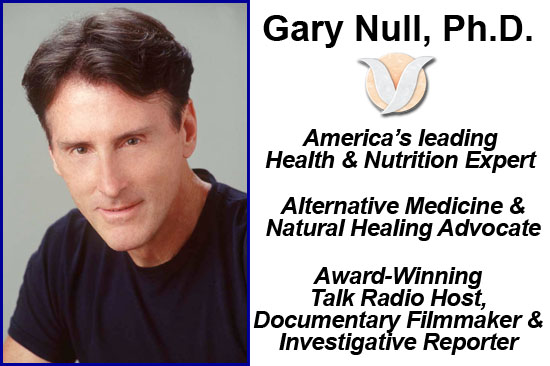
    Dr. Gary Null

    Host: Anti-Aging Psychologist Dr. Michael Brickey

    Guest: Natural Health Nutritionist Dr. Gary Null

    Broadcast and podcast starting: June 8, 2009 on webtalkradio.net. After 6-15-09 the podcast is also on the links below
    (to download, right click download and select “save target as.”)

    There is a rich literature on natural cures for headaches, digestive problems, allergies, and other health problems. But how do you tell help from hype? Is it safe and does it work? Natural Health Nutritionist Dr. Gary Null is the author of 70 books on health including his most recent book, Be a Healthy Woman, has been studying and advising millions on alternative health and natural healing for three decades. Today he shares his knowledge with us.

    Dr. Null has never shared his real secret to health and longevity. With more than 70 books, more than 20 films, competing in marathons, counseling thousands, and bridging  nutrition, self-development, politics, and even pet care. I’m convinced that he has figured out how to clone himself. Dr. Null’s is a renaissance man who has an extraordinarily holistic view of health and wellness including physical, mental, and spiritual. He is into mindfulness and is a wonderful story teller.

    His books excoriate  caffeine, alcohol, and meat. At a more controversial level, he advocates removing mercury fillings from teeth, chelation, magnet therapy, and questions the safety of vaccines. The sources he typically cites are experts he has interviewed. If you are looking for traditional research that footnotes lots of references, you will be frustrated. If you are looking for new ideas to consider or try, you are at a feast.

    A note on his references to some people living well into Mediterranean, Eastern European, and Eastern countries living extremely long lives are controversial: The oldest well documented centenarian was Jeanne Calment, a Frenchwoman who lived to 122. There are many claims of people living much longer but researchers as skeptical as documentation is poor and their cultures revere living long which gives an incentive to exaggerate.

    The concept that that the biggest factor in health and longevity is being happy is profound. Also profound is his epiphany that getting healthier starts with beliefs and values. I was also impressed with how Gary generally supported a Mediterranean diet but emphasized how you eat is as important as what you eat. Thus, slow leisurely meals with family do wonders for your health.

    Dr. Null’s website is www.GaryNull.com. Dr. Brickey’s other websites are www.DrBrickey.com and www.Anti-Aging-Speaker.com.

    Posted in aging, alternative medicine, anti-aging, diets, eating, health, health and wellness, holistic | No Comments »

    What You Need To Know About Heart Disease

    Posted by Dr. Brickey on 15th March 2009

    Anti-Aging Psychologist, Dr. Michael Brickey

    Dr. Joel Okner and Dr. Jeremy Clorfene

    Host: Anti-Aging Psychologist Dr. Michael Brickey

    Guests: Cardiologist Dr. Joel Okner and Cardiac Psychologist Jeremy Clorfene

    Broadcast and podcast starting: March 16, 2009 on webtalkradio.net. After 3-23-09 the podcast is also on the links below
    (to download, right click download and select “save target as.”)

    If you or someone you love has a heart attack, the cardiologist probably gives you a brief technical assessment. Anxiety levels are so high you only hear a small fraction of what the doctor says, and remember even less. Typically, there is no discussion about the psychological factors and dealing with the stress, changes, and how different your life has become. Cardiologist Dr. Joel Okner and Cardiac Psychologist Dr. Jeremy Clorfene stepped in to fill the gap with their just released book, The No Bull Book On Heart Disease: Real Answers To Winning Back Your Heart and Health.

    It is easy to miss how unique their message is. First, they put cardiology in language that lay people can understand and use. In their book, in particular, they take you step-by-step through exactly what happens physically and emotionally with various diagnoses, tests, and surgeries. That kind of information is surprisingly hard to find.

    The even more profound thing they do is address how heart disease impacts patients and families emotionally. Managed care initially offered great promise. Kiser Permanente in particular, was very good at offering supportive and preventive services to help subscribers avoid even bigger problems down the road. Thus, managed care done right would encourage every heart disease patient to see a cardiac psychologist. But most of managed care deteriorated to cost containment. Consequently, we are left with a perfect storm that largely ignores cardiac psychological needs. Pharmaceutical companies advertise pills as the solution. Patients want pills and quick fixes, and compensation for doctors encourages 5-minute-medicine. Even the rehab programs medicalized rehab and made it mostly about diet, exercise, and physical therapy.

    The Okner and Clorofene message is that pills may be necessary but without addressing stress, lifestyle, exercise, and nutrition, a heart attack or stroke is just around the corner.

    My suggestion for finding a psychologist who is particularly familiar with heart disease and other health problems is to contact a hospital’s Medical Staff office and ask for a list of psychologists who are on the medical staff or affiliate staff. Then compare that list to psychologists covered by your insurance.

    Dr. Okner and Dr. Clorfene practice in Chicago and host a weekly two-hour Radio call in show, “The Doctors Are In” on WKRS 1220 AM. Information on their book is at www.nobulldocs.com. Dr. Brickey’s other websites are www.DrBrickey.com and www.Anti-Aging-Speaker.com.

    Posted in cardiology, health, health and wellness, heart, heart disease | No Comments »

    Resistance Training: Better Posture, Less Pain, Better Health

    Posted by Dr. Brickey on 30th November 2008

    Anti-Aging Psychologist, Dr. Michael Brickey

    Debra Corbo and Doug Splittgerber

    Host: Anti-Aging Psychologist Dr. Michael Brickey

    Guests: Debra Corbo PT, CPT and Doug Splittgerber, CPT

    Broadcast and podcast starting: 12-1-08 on webtalkradio.net. After 12-8-08 the podcast is also on the links below
    (to download, right click download and select “save target as.”)

    What if the fitness gurus are giving us terribly bad advice-advice that results in poor posture, back pain, losing muscle, and putting on weight when you exercise? Certified Professional Trainer Doug Splittgerber and Physical Therapist Debra Corbo say that is exactly what is happening. Overcoming their own health challenges, they developed a system of exercises that vastly improves posture and fully stretches muscles. They say that a lot of knee surgeries, arthritis, carpal tunnel syndrome and other painful conditions can be prevented with proper exercise. Get ready for some very surprising challenges to what you think you know about fitness.

    Their book Your Body Your Responsibility is a profound paradigm shift that destroys many of your beliefs about fitness and health with replaces them with a more intelligent approach to fitness that results in better posture, less pain, and better health. It comes with a DVD that walks you through the exercises they developed. Their website is www.YourBodyYourResponsibility.com. They also host live call in radio shows on www.1100kfnx.com on Saturdays 9-10AM EST and on www.healthylife.net on Tuesdays noon-3-4PM EST. Dr. Brickey’s other websites are www.DrBrickey.com and www.Anti-Aging-Speaker.com.

    Posted in alignment resistance, back pain, cardio, carpal tunnel, health, health and wellness, movement, neck pain, posture, repetitive motion injury, resistance training, strength, stretching | No Comments »

    Easy Ways to Relieve Stress, Aches, and Pains

    Posted by Dr. Brickey on 25th October 2008

    Anti-Aging Psychologist, Dr. Michael Brickey

    Gini Maddocks

    Host: Anti-Aging Psychologist Dr. Michael Brickey

    Guest: Gini Maddocks

    Broadcast and podcast starting: 10-27-08 on webtalkradio.net. After 11-3-08 the podcast is also on the links below
    (to download, right click download and select “save target as.”)

    Your body’s tissues other activities. become cold and stiff after being inactive for a mere 12 minutes. Muscles shorten and pull bones together, squishing the cushioning that keeps bones from rubbing against each other and rubbing against cartilage. The result is pain, swollen joints, arthritis and other health problems. Our guest, Gini Maddocks, is a genius at teaching how to prevent this from happening and how to reverse damage that has occurred-and she does it with easy to do, simple, sweatless movements. She is a licensed medical message therapist and the award-winning author of R&R: Rescue and Relief for Computer Users and those at Risk of Repetitive Motion Injury. Today she will help you learn how to be kind to your body and prevent or undo aches and pains from computer use, driving, gardening, and many other activities.

    Ms Maddocks’ website is www.holisticmatters.net. Dr. Brickey’s other websites are www.DrBrickey.com and www.Anti-Aging-Speaker.com.

    Posted in back pain, carpal tunnel, computer use, healing, health, health and wellness, holistic, movement, pain, posture, repetitive motion injury | 1 Comment »

    Fire Your Personal Trainer—Be Your Own Pesonal Trainer

    Posted by Dr. Brickey on 4th October 2008

    Anti-Aging Psychologist, Dr. Michael Brickey

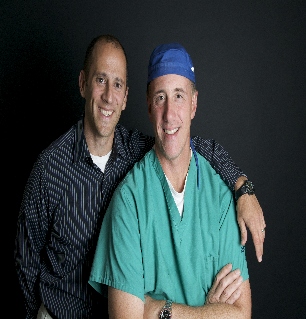
    Dr. Marc Paulsen

    Ashley Marriott

    Host: Anti-Aging Psychologist Dr. Michael Brickey

    Guests: Dr. Marc Paulsen and Ashley Marriott

    Broadcast and podcast starting: 10-6-08 on webtalkradio.net. After 10-13-08 the podcast is also on the links below
    (to download, right click download and select “save target as.”)

    In Woody Allen’s movie Bananas, Wood Allen’s character Fielding Mellish has become El Presidente of San Marcos and is greeted at the airport by a US State Department interpreter. El Presidente speaks perfect English and the interpreter speaks broken English but still insists on interpreting. It reminds me of a lot of personal trainers. I think we all know how to count to twenty, the weight equipment isn’t that complicated, and if the trainer holds our hand while we are on the treadmill, it slows us down. Do we really need a personal trainer? Sports medicine physician Dr. Marc Paulsen and Personal Trainer Ashley Marriott, say in most cases we should dump the trainer and do it ourselves. Hence the title of their brand new book, Dump Your Trainer. The program looks at why you don’t need a personal trainer and how to do it yourself.

    Their website is www.DumpYourTrainer.com. Trainer/Dancer/Choreographer Ashley Marriott also has produced dance exercise videos at www.BurnNFirm.com. Dr. Brickey’s other websites are www.DrBrickey.com and www.Anti-Aging-Speaker.com.

    REMINDER: Be sure to catch my free one hour teleseminar on October 14th (9PM EST) on How to Use Anti-Aging Psychology to Be More Youthful. Free registration is at www.healthteleclass.com.

    Posted in cardio, health, health and wellness, personal trainer, weight loss | No Comments »

    Health Coaching to Get Healthier

    Posted by Dr. Brickey on 27th September 2008

    Anti-Aging Psychologist, Dr. Michael Brickey

    Judith Gilchrist

    Host: Anti-Aging Psychologist Dr. Michael Brickey

    Guest: Judith Gilchrist

    Broadcast and podcast starting: 9-29-08 on webtalkradio.net.

    After 10-6-08 the podcast is also on the links below
    (to download, right click download and select “save target as.”)

    Been trying to lose twenty pounds and just can’t seem to do it? You tried but sooner or later you had a rough day and something took over your body and shoveled in the Hagen Das? You wanted to develop your mind and bought a dozen books-and there is the stack of them, gathering dust? In short, your good intentions aren’t materializing. Help! Just as personal trainers help people define and achieve their fitness goals, health coaches help people set goals and achieve their goals.

    Today we will explore personal coaching with an emphasis on health coaching. Our guest Judith Gilchrist does health and wellness coaching and is a key trainer with the Hilton-Johnson HealthCoaching program. By learning what coaches do you may find you don’t need a nanny, you can coach yourself. If you decide you do need a coach, today’s program will make sure you don’t settle for whatever coach happed to make a speech to your Rotary club, but carefully select a coach to meet your needs and assess whether the coaching is working.
    Judith Gilchrist’s websites are:
    for health coach training: http://www.healthcoachtraining.com/judith
    for her health coaching training seminar on October 1
    to register for free classes: www.healthteleclass.com

    Dr. Brickey’s other websites are www.DrBrickey.com and www.Anti-Aging-Speaker.com.

    Posted in coaching, health, health and wellness, health coaching, life coaching, personal coaching | 1 Comment »